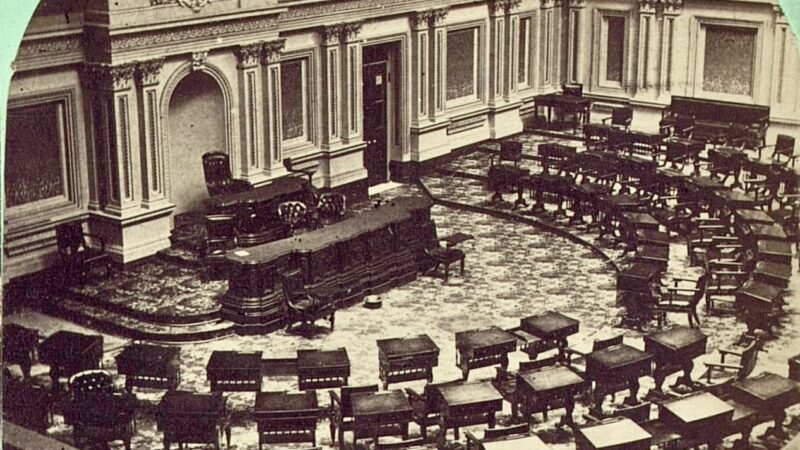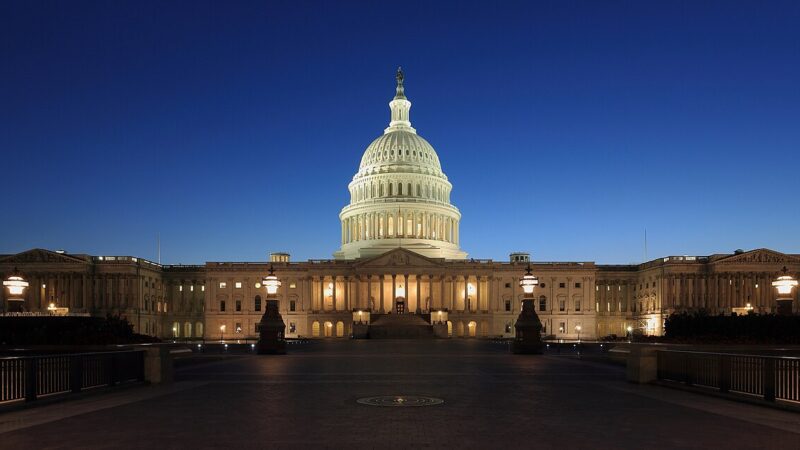
The Senate has wrapped up its work before the election campaign season with a long list of unfinished business, after a final week of procedural votes produced few results. Republican leaders brought forward two bills that Democrats had already signalled they would not support, and both measures stalled.
One of the bills, which passed the House with near-unanimous support, would require states to consider making data centre owners pay for added infrastructure and electricity costs rather than passing them to household bill-payers. Democratic senators dismissed the measure as optional and unenforceable, arguing that stronger bills already exist, while its House sponsor accused them of choosing political games over a commonsense protection for ratepayers.
The end-of-session pile-up extends beyond energy policy. A bipartisan housing bill passed by Congress is set to become law without the president’s signature, after he said he would not sign it because the Senate has not passed a separate bill requiring proof of citizenship to vote. Under the Constitution, the housing measure takes effect without his signature.
The exchanges capture the chamber’s late-session rhythm: broadly supported ideas slowed by disputes over how much force they should carry, and wider arguments about voting and energy costs waiting for the next Congress to pick them up.
Senators now return home to campaign. The bills they left behind, on data centre costs, housing and more, will be waiting, largely unchanged, when they come back.
The data centre dispute is unlikely to cool while electricity demand keeps climbing. Both parties claim the mantle of protecting household bills; they differ on whether a requirement to consider costs amounts to protection at all. It is a small bill carrying a large argument, and its return next session will show which side the intervening election strengthened.
For voters, the distinction may feel academic: the bills either become law with teeth or they do not. But the argument over one word, required against considered, is precisely where much of Washington’s real policymaking now happens, in the gap between passing something and making it happen.