Evidence that American tariffs are raising prices at home is also a signal to the factories abroad that supply the United States, according to reporting on new Federal Reserve Bank of New York research this week.
The analysis of 67 consumer-goods categories estimated tariffs had added 2.9 percentage points to prices by February, with about a quarter of last year’s tariff increases passed through to buyers so far. For exporters in Asia and Europe, pass-through is the question that decides strategy: absorb the levy and protect market share, or charge more and risk losing the shelf.
Researchers found roughly two-thirds of the price effect came directly from tariffs and the rest from costlier imported inputs used by American manufacturers. That indirect channel is how a tariff on steel or components becomes a price rise on a finished appliance built in Ohio, according to the reports.
Trading partners are responding in kind and in court, with retaliatory measures announced against selected American goods. The reports suggest negotiators on all sides now treat the current tariff level as the baseline to bargain from, not a temporary aberration.
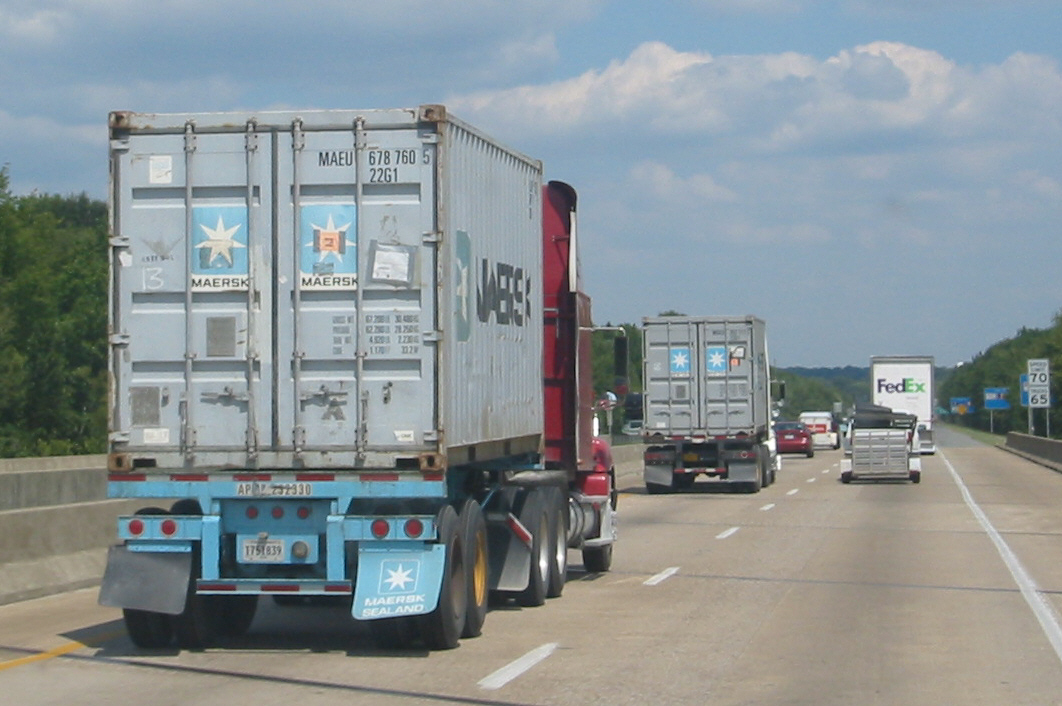
For global supply chains, the practical consequence is redesign rather than pause: dual sourcing, nearer-shore assembly and longer contracts that share tariff risk between buyer and seller. The era of optimizing purely for lowest unit cost, analysts say, is giving way to optimizing for resilience.
The study’s most consequential audience may sit outside the United States entirely. Exporters who spent a year hoping the tariffs were leverage that would expire with a handshake must now price them as infrastructure — which is why the redesigns the reporting describes are capital decisions with ten-year horizons rather than tactical pauses. Every dual-sourcing contract signed in Taipei or Penang is a quiet admission that the old baseline is not coming back on any schedule a factory can wait for.
The open question is whether resilience has a customer. Supply chains optimized for survivability cost more than the ones they replace, and that premium must be paid by someone — shareholder, consumer or taxpayer. The February price data inside this study is, in effect, the first invoice, and it arrived addressed to the American shopper.
Related reading: