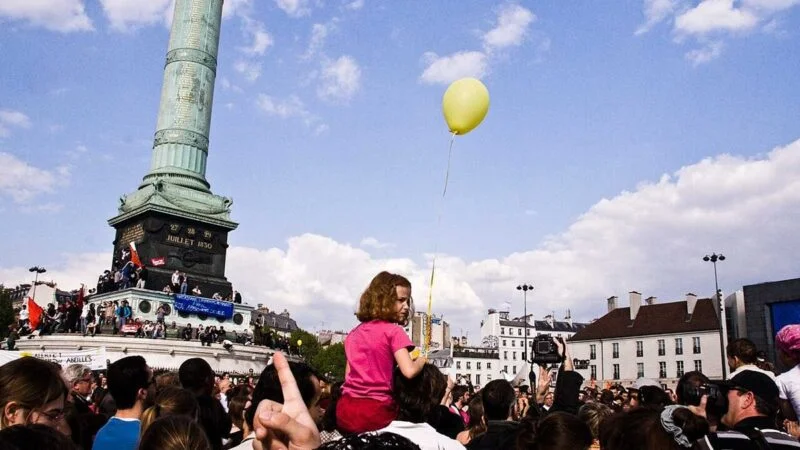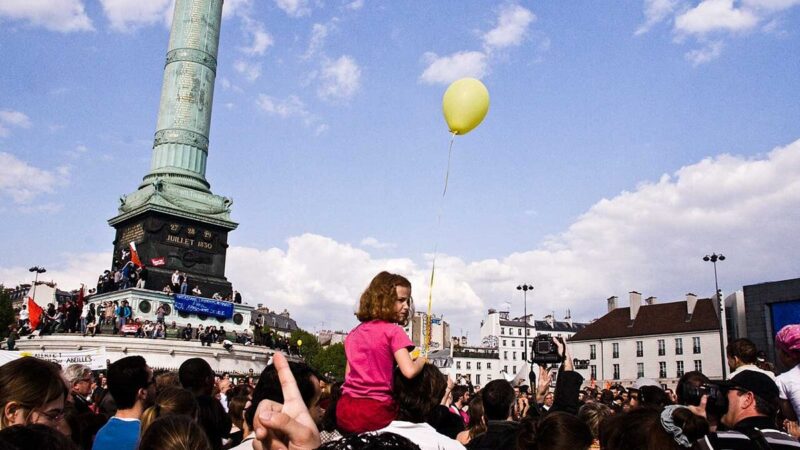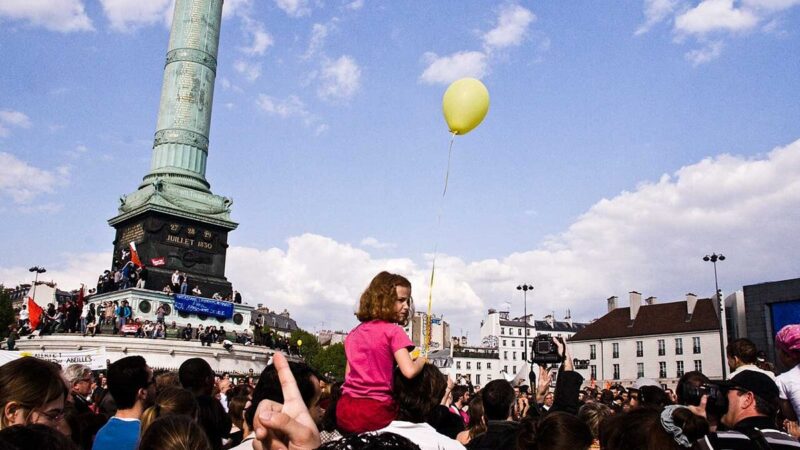
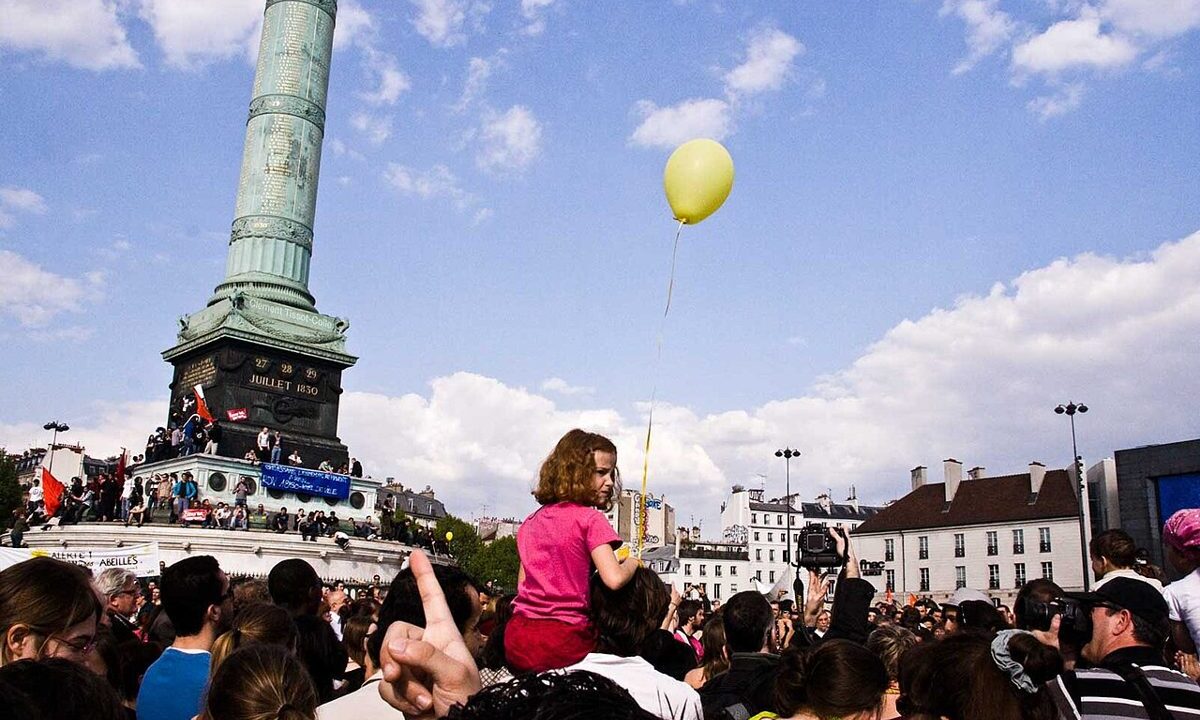
How many people marched in France on October 24? The answer depends on who you ask, and that disagreement is itself part of the story. The Interior Ministry counted about 410,000 marchers nationwide, including 110,000 in Paris. The CGT union put the total near 800,000, with 250,000 in Paris. Both figures describe the same day, the same streets and the same crowds, yet they differ by almost double. Understanding why they differ matters, because crowd numbers in France are never just numbers. They are arguments about legitimacy, momentum and whether a movement is growing or fading.
The official count also showed a decline from the previous Saturday, when the ministry counted 550,000 marchers. The union count, by contrast, suggested a movement holding its strength. Police arrested 1,314 people on October 24, about half the previous Saturday’s total, and 53 security personnel were injured, compared with more than 1,000 a week earlier. Looting fell sharply, to 24 businesses from 1,522 the week before. Those figures, which are less disputed than the crowd totals, point in the same direction: October 24 was large, but it was less violent and less destructive than October 17, when demonstrators set fires, looted shops, clashed with police and attacked public buildings.
Why counts differ so much
Official counts in France are typically based on police observations at fixed points, while union counts are often built from organisers’ estimates along march routes, and the two methods systematically produce different totals. Neither method is a precise census of a moving crowd, and both are produced by institutions with an interest in the result. The ministry has an interest in showing control and decline. Unions have an interest in showing strength and growth. Readers should therefore treat both figures as estimates with a direction, not as exact headcounts, and should pay more attention to the trend both agree on: hundreds of thousands of people marched, in Paris and across the country, for a second straight Saturday.
The underlying grievances help explain why the crowds keep coming. The protests began over school funding and education, and have widened to include workers demanding relief from rising living costs, soaring rents and strained public services. On Monday, the government pledged to change the university admissions platform next year and replace it in 2028, alongside up to 4 billion euros in school renovation loans, smaller classes, more posts and higher grants. Student groups welcomed some concessions but called for protests to continue, which suggests the numbers dispute will not be settled by a schools package alone.
The next count to watch
Fresh rallies are planned for October 31, ahead of a nationwide strike day, including a joint rail union call, on November 5. Those dates will produce a new round of competing counts, and the same caution will apply. Reports of the government’s concessions describe a movement that has outgrown its original cause, and Forever’s account of how the protests grew traced that widening from school gates to a national question. Whether October 31 draws 400,000 or 800,000 people, the more important question is whether the crowds are still growing, still peaceful, and still demanding more than the government has offered.