France’s protests did not start with a single grievance. They started in schools, in mid September, when students demanded better facilities, and they grew because the students’ complaint resonated with a much larger feeling: that everyday life has become more expensive, public services thinner, and the gap between rich and poor wider. By October, the movement had drawn in unions, parents, retirees and Yellow Vest activists, and its demands had broadened from school funding to the cost of living, inequality and the state of public services. That broadening is the key to understanding both the scale of the protests and their staying power. A protest about one school can be answered with one budget line. A protest about the cost of living asks a government to change its economic direction, and that is a much harder conversation.
Who is on the streets, and why
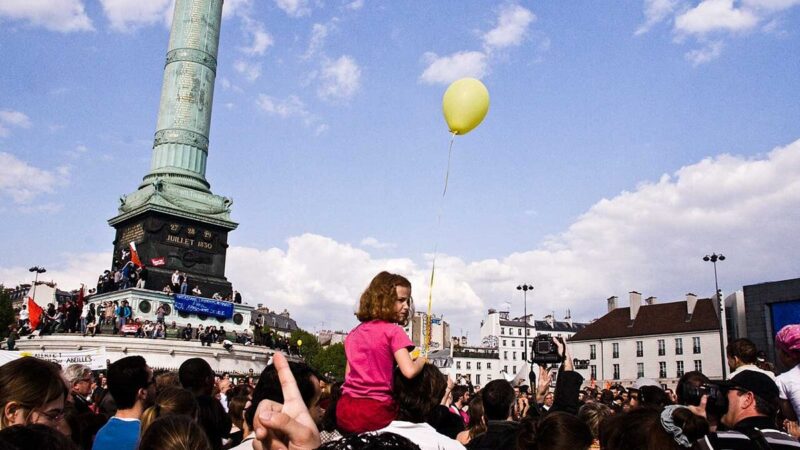
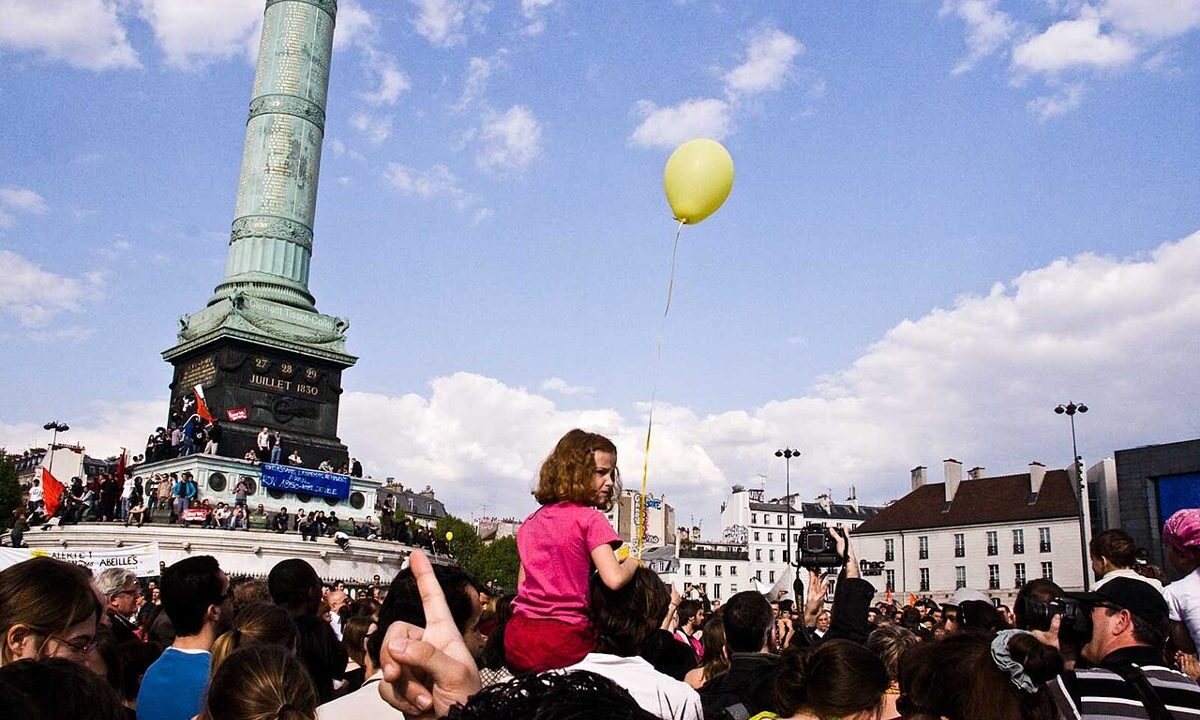
The crowds on October 24 reflected that breadth. Protesters of all ages and backgrounds marched in Paris and other cities: students, workers, parents, retirees and Yellow Vests, the largely working class movement that challenged President Emmanuel Macron in his first term. Their placards called for taxing the rich and for Macron to resign, and their interviews returned to the same themes: a decade of policies that widened inequalities, young people with less hope for the future, taxes paid while services declined and large payouts made to multinational companies. One protester told NPR that the government’s line about public debt preventing more spending did not convince him, because the money exists, it is just in the hands of the rich. Another said protesters deplore violence but believe police aggression fuelled it, and that the government is finally listening because the streets forced it to listen.
From grievance to a political question
The movement’s growth also explains why the government’s response has focused on security rather than substance. Deploying 70,000 police and gendarmes, banning rallies in some cities and closing museums are measures to prevent a repeat of the looting of October 17, when 1,522 businesses were looted. On October 24, looting fell to 24 businesses, a sharp improvement that the government will present as success. But security measures do not answer the underlying question the protesters are asking, which is whether the state can still deliver affordable living standards, decent schools and public services that match the taxes people pay. The France protests report captures that tension: a movement that began with school facilities has become a national argument about fairness, and the next round of protests, from the pots and pans rally on October 30 to the rallies on October 31 and the strike day on November 5, will test whether that argument can hold a coalition together or whether it fragments into separate grievances. Either way, the question will not be settled by policing alone.