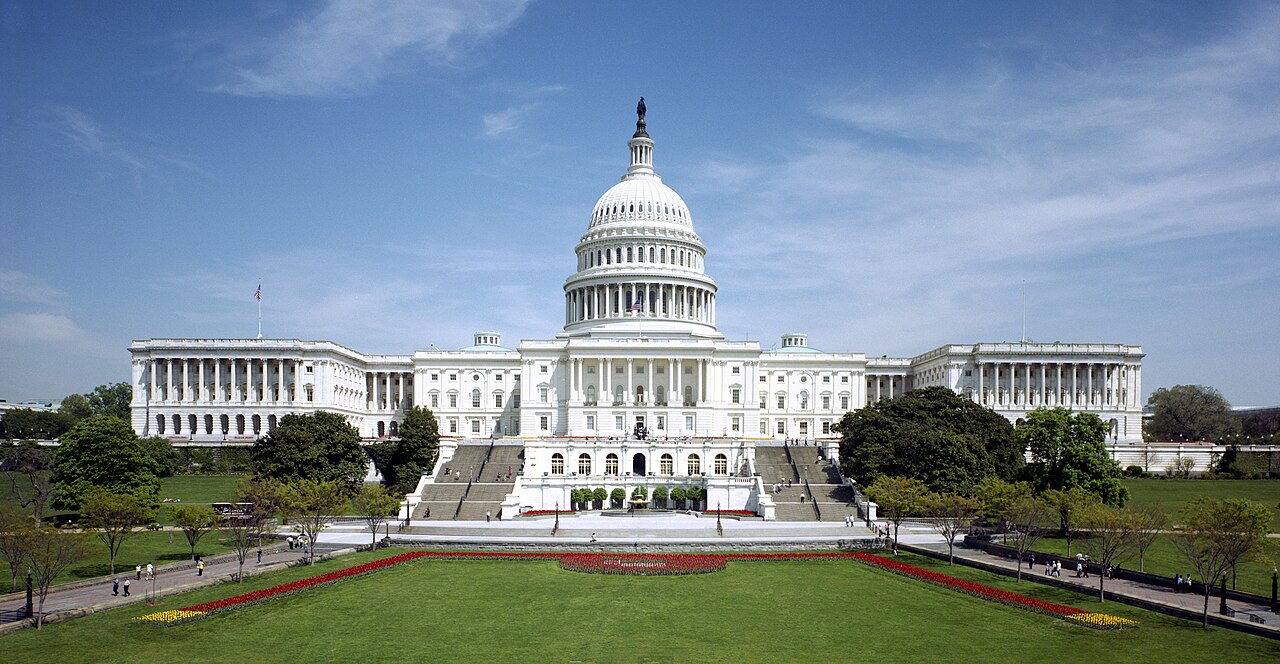
Senate Democrats announced on Wednesday that more than 100 congressional staffers have been recruited and trained to serve as official election observers in nine states ahead of the November 3 midterm elections. Senate Democratic leader Chuck Schumer and Senator Alex Padilla said the observers will document voter interference, threats to election workers, and misinformation — on Election Day and through the post-election canvass and certification.
The role is deliberately limited: observe, document and report. The staffers will not handle ballots, direct election workers or take part in administering elections, the senators said, describing the effort as an official congressional programme rather than a campaign operation. Observers are expected to focus on states with the tightest Senate contests — Ohio, Georgia and Michigan first — and could remain on the ground for days or weeks after polling day, with their reports potentially shaping responses to any post-election challenges.
The programme, launched in June as part of the Senate Democrats’ election-protection task force, is modelled on the House’s long-running election observers scheme, which the leaders of the House Administration Committee ramped up in August. Padilla, a former California secretary of state, said he hoped to deploy observers in bipartisan pairs alongside Republican staffers, and expected the GOP to mount a similar effort of its own.
Why now
Democrats frame the move as a response to what they describe as escalating threats to election integrity from the Trump administration — including voter-roll purges and curbs on mail-in voting. It also arrives as Republicans push the SAVE America Act, a voter-identification and proof-of-citizenship bill that critics warn could keep eligible Americans from voting. “Our elections are free and secure, we intend to keep them that way,” Schumer said.
Nine states in view
The nine target states are those with the closest Senate contests, though the exact list may shift as the races develop. The announcement landed in a midterm season already crowded with disputes over federal power — from a court order halting taxpayer-funded campaign advertising to Texas’s high-stakes Senate race drawing national attention.