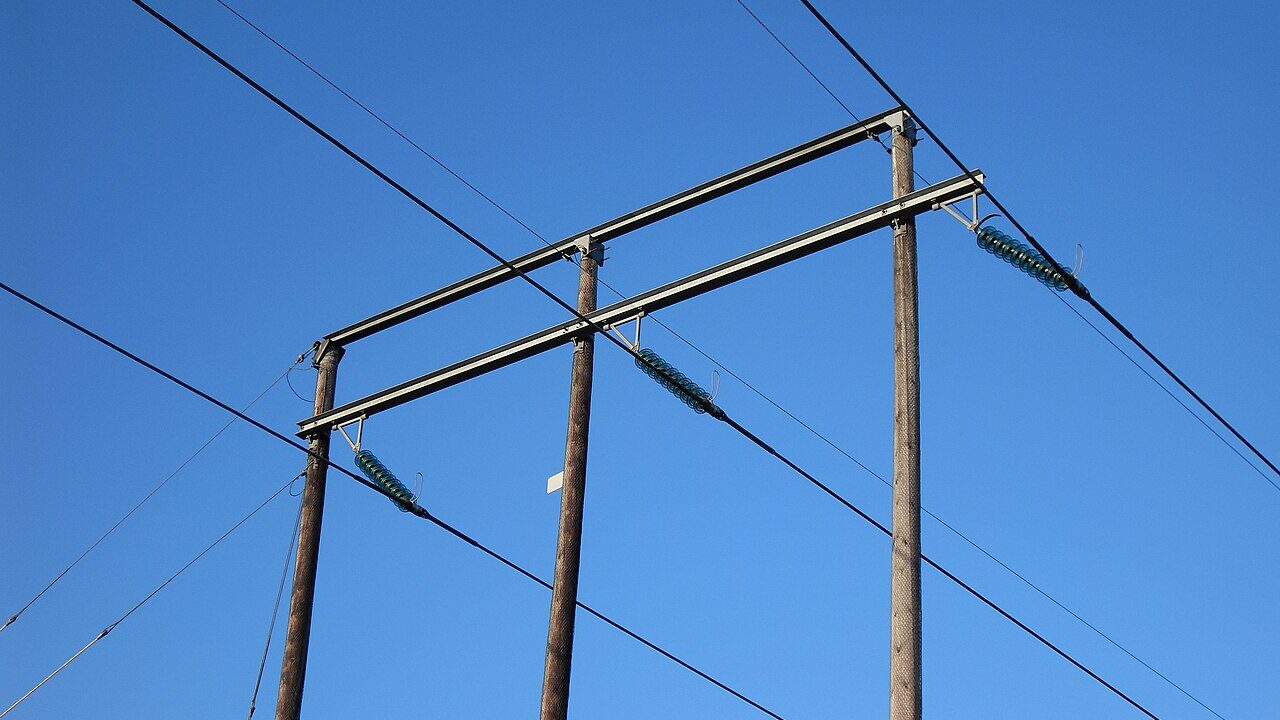
The world’s energy transition has a wiring problem. From the American Midwest to Central Europe, the constraint on new power is increasingly not generation but transmission — the long-distance lines that carry electricity from where it is made to where it is used, according to reporting on infrastructure negotiations.
In Washington, that bottleneck has produced an unusual alliance: oil and gas producers seeking faster permits and renewable developers seeking faster line approvals now back the same Senate permitting package, according to reports on the talks. Each side needs the other’s priority to move.
The physics is unforgiving. Wind and solar resources sit far from cities; a line can take a decade to permit and build, longer than the plant it serves. Developers in several countries have withdrawn projects rather than wait, and queues for grid connection now measure in years on multiple continents.
Governments are experimenting — streamlined reviews, cost-sharing across regions, and treating major lines as projects of national significance. Critics warn that speed without scrutiny invites environmental damage and local backlash that slows projects further.
What is certain is that the next decade of energy history will be written as much by permitting lawyers and line crews as by turbine engineers. The electrons are ready; the wires are the argument.
The alliance the bottleneck has assembled — drillers and solar developers lobbying shoulder to shoulder — may be the most consequential political fact in the energy world this year. Permitting reform fails in Washington when it can be framed as one industry’s favour; a package that the oil patch and the wind belt both need merely to function becomes a different legislative animal: infrastructure, argued in jobs and reliability rather than in climate. The Senate negotiators know the window is the alliance itself.
What neither side can lobby into existence is time. A transmission line permitted triumphantly in 2027 still energises around the middle of the following decade, which means the queues, curtailments and cancelled projects of the intervening years are already, in a sense, decided. The energy transition’s slowest decade will be remembered as the one in which the world had the power and could not move it.
Related reading: