
Judge Tosses Trump Administration Lawsuit Over NYC Sanctuary Laws in Blow to Deportation Push
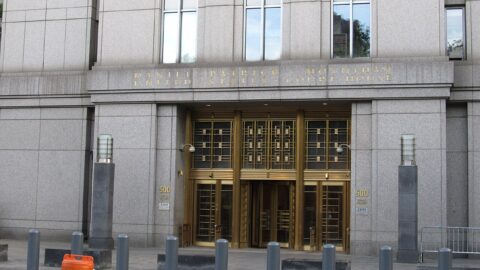
A federal judge in Brooklyn has thrown out the Trump administration’s lawsuit seeking to block New York City’s sanctuary laws, ruling that the government lacked standing to sue and dealing a setback to the White House’s campaign against sanctuary city policies.
US District Judge Ramon E. Reyes Jr. ruled on Oct 15 that the administration could not challenge a city law barring police from detaining immigrants at the request of federal authorities, because that practice is already prohibited by state law, Reuters reported. He also found that city laws restricting local authorities from sharing release dates, whereabouts or custody information were valid, because federal law does not require state and local governments to share that information.
Federalism Has Limits
Reyes rejected the administration’s Supremacy Clause and preemption arguments, finding that the federal government cannot force local governments to help with immigration enforcement. At issue were rules on honoring ICE detainers, sharing custody information and dedicating public resources to deportation operations. The Justice Department did not immediately respond to a request for comment.
The ruling is the latest judicial check on federal power, following scrutiny of how agencies use their authority over states and individuals. For the deportation push, the practical effect is that New York City, the country’s largest city, keeps its limits on cooperation with ICE detainers and information sharing intact.
What It Means for the Deportation Push
The case was filed in July 2025 as part of a broader administration campaign against sanctuary policies that aim to shield immigrants from mass deportation efforts. With standing denied at the threshold, the administration would need a different legal theory, or a different target, to force cooperation. The ruling does not stop federal agents from operating in the city; it stops Washington from conscripting city agencies into the effort. That distinction now sits at the center of the wider immigration enforcement drive, which has included separating children from parents and classifying them as unaccompanied.