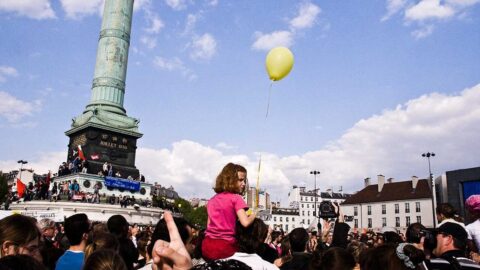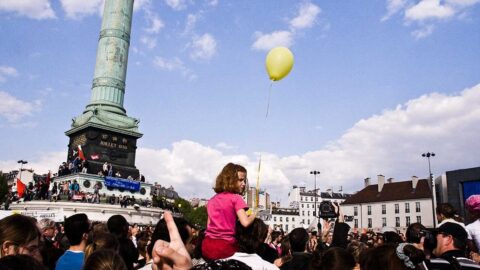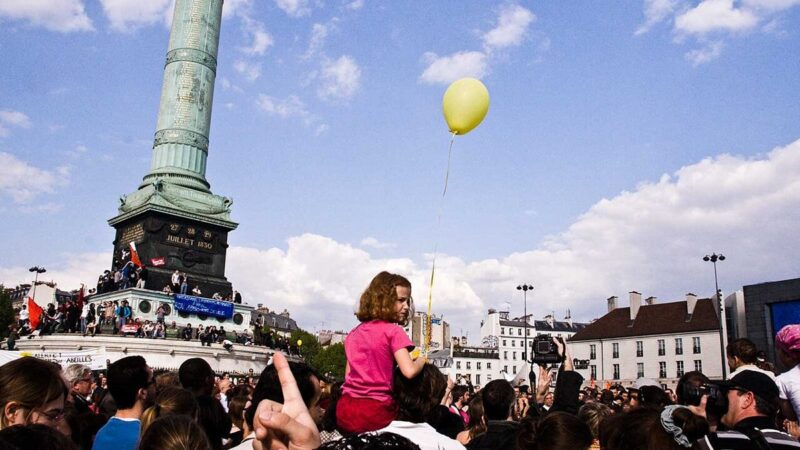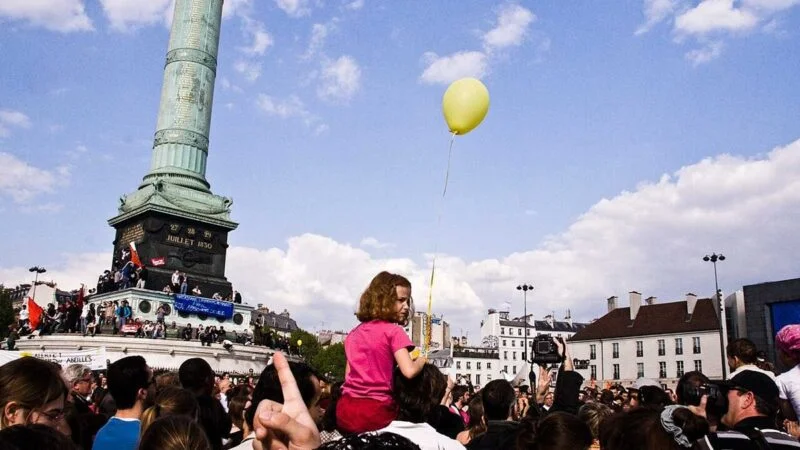
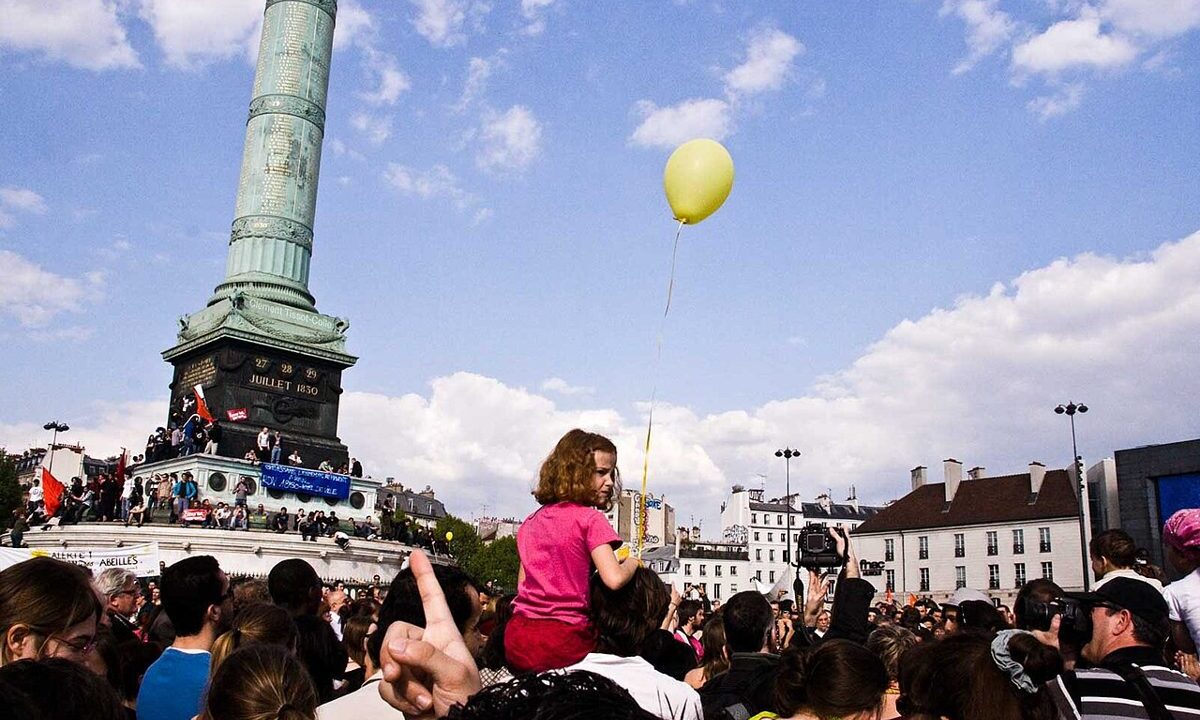
France’s protest numbers are still an argument, and the argument itself has become part of the movement. Earlier reporting put the competing counts at 410,000 and 800,000 for a single day of protest, a gap so large that it cannot be explained by counting methods alone. The government figure and the organisers’ figure describe different realities, and each side uses its number to claim legitimacy: the government to show the movement is contained, the organisers to show it is national.
The dispute matters because it shapes what happens next. A movement that can credibly claim 800,000 people in the streets is harder to dismiss than one counted at 410,000, and a government that insists on the lower figure invites accusations of minimising dissent. Independent counts, media estimates and police figures rarely agree, because they count different things: people at a single moment, people over a whole day, or people at a single location. The public, faced with two numbers, tends to believe the one that matches its own experience, which is why the argument persists.
The Senate adds a new count
On October 28, the Senate passed a bill requiring protesters to pay for damage caused during unrest, adding a financial dimension to the dispute. Supporters argue that communities hit by looting and arson, including Limoges, where the town hall roof and clock tower were brought down, deserve compensation. Critics argue that liability will be used to deter lawful protest, and that damage caused by a minority should not be charged to a movement as a whole. Teachers have already said the government’s education measures do not go far enough, and student leaders have vowed to keep protesting on Saturday and on November 5.
Those dates will produce new numbers, and new arguments about them. Saturday’s turnout, counted by police, organisers and media, will be read as a verdict on the October 26 education package, which promised Parcoursup reform, smaller classes, 15,000 new higher education places and billions in renovation loans. A large turnout will be presented as proof the package failed. A small one will be presented as proof it worked. Neither reading will be complete, because turnout also reflects weather, organisation and the calendar.
Counting what matters
The more useful count is not the crowd on a single day but the breadth of the movement over time: schools blockaded, unions involved, cities affected, and demands that remain unmet. By that measure, France’s movement has already widened from a school dispute into a cost of living protest, and that breadth, rather than any single day’s total, is what the government must answer. Numbers will continue to be disputed. The underlying grievances, about staffing, resources and living costs, are not in dispute at all.