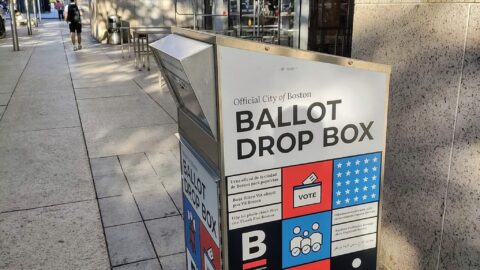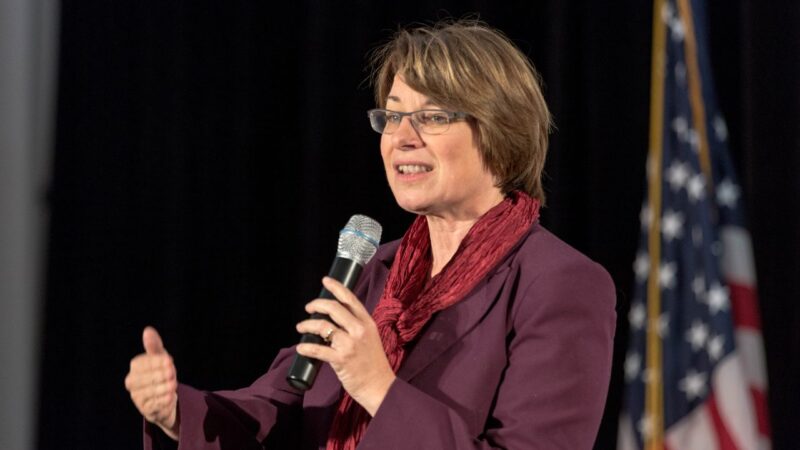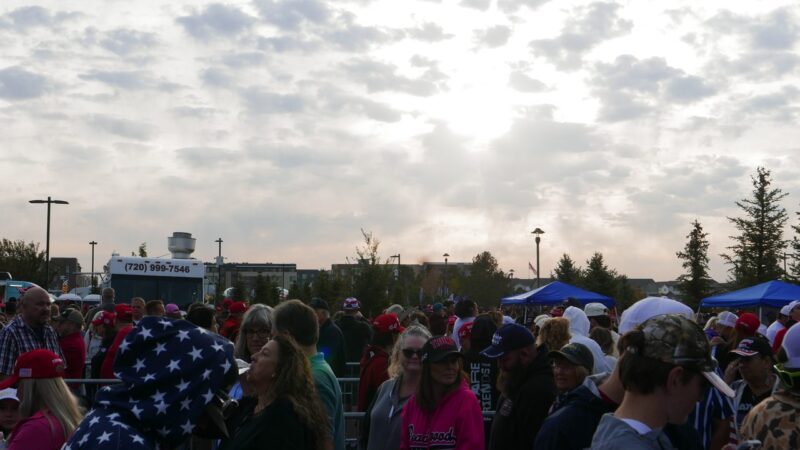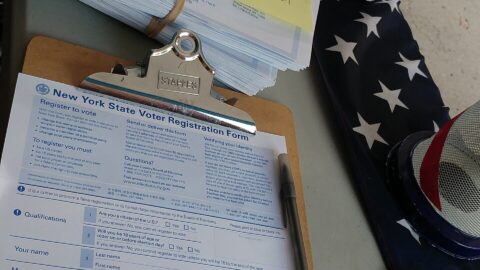
American voters are already casting ballots in states with early voting, and national polling shows a competitive fight for control of Congress with a large bloc of voters still undecided, according to reports on the state of the race.
One national survey cited this week put Democratic support ahead of Republican support among registered voters, with roughly one voter in eight undecided. The same polling showed the president’s approval at a career low, with prices and the conflict with Iran weighing on public judgment, according to the reports.
Those numbers explain the tone in both parties. Republicans argue that undecided voters will break toward incumbents as campaigns sharpen; Democrats argue that cost-of-living frustration historically punishes the party in power. Both readings are plausible, which is precisely why the undecided bloc matters so much.
Control of the House will likely turn on a small number of districts where margins were thin two years ago. Campaigns are pouring resources into turnout operations, because in a low-enthusiasm midterm, the side that gets its voters to the polls usually wins the close ones.
Election Day is November 3. Between now and then, expect the polling averages to move slowly and the advertising to move fast. The reports suggest a race that is close, fluid and far from called.
The undecided bloc deserves its reputation as the election’s real electorate. At roughly one voter in eight, in a race this structurally close, the outcome of the House will be written by citizens who have so far declined every invitation to decide — and who historically break late, unevenly and on the issue loudest in their own kitchens when they finally do. Both parties’ closing arguments are therefore not really aimed at their bases, whatever the rally footage suggests.
The early returns, when states begin reporting them, will be read for turnout composition before results: whose voters are bothering. In the close districts that decide control, a midterm is usually lost in the mobilisation column weeks before the persuasion column closes — which is why the campaigns’ remaining money is flowing to the unglamorous machinery of rides, reminders and poll-site logistics.
Related reading: