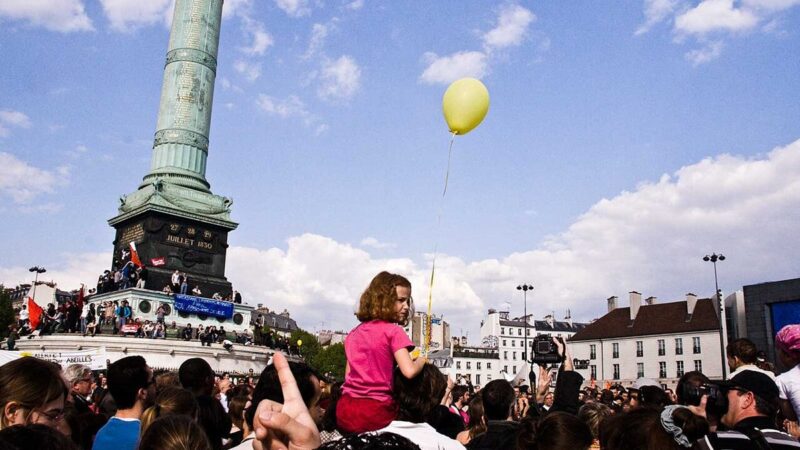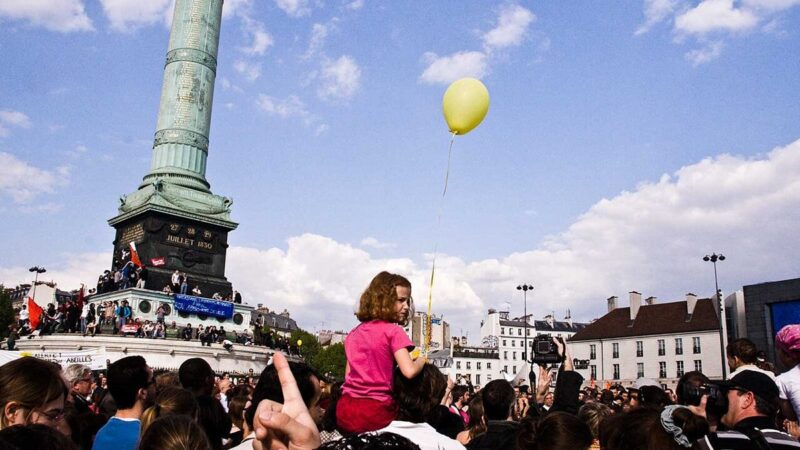
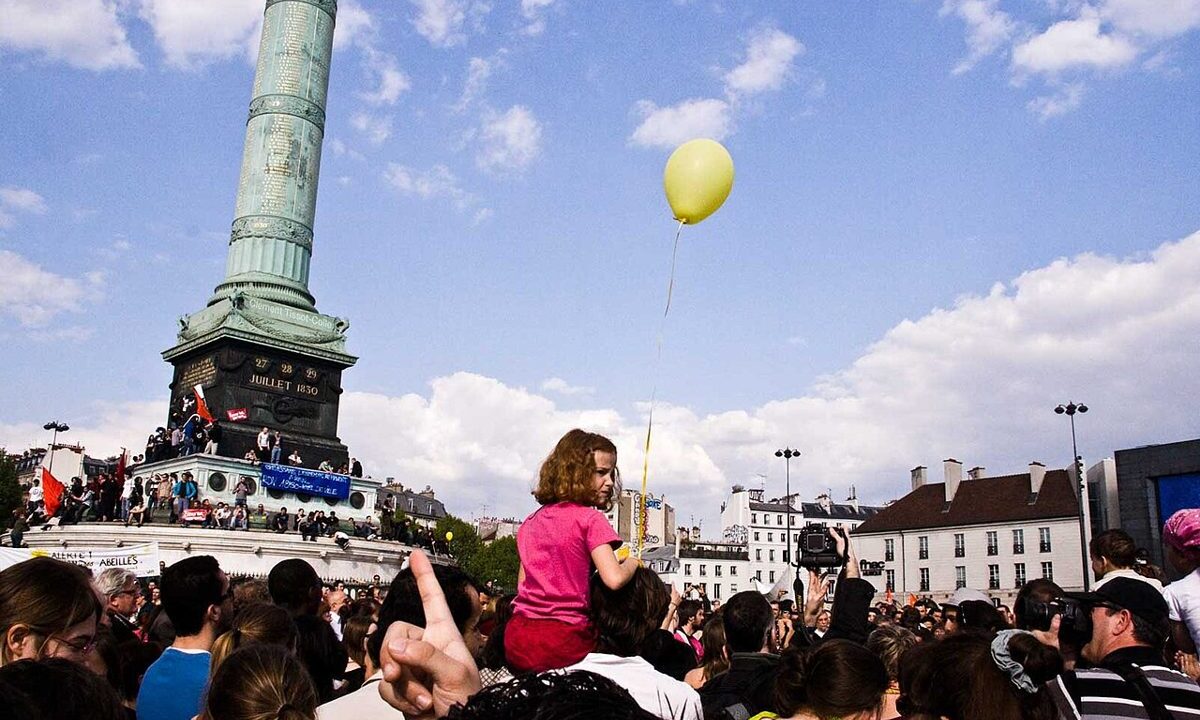
France’s protest dispute has a numbers problem, and the numbers problem has become part of the dispute. For a single protest day, officials counted 410,000 participants and organisers counted 800,000, a gap so large that it cannot be explained by counting methods alone. Each side reads the gap as evidence about the other: officials see exaggeration, organisers see minimisation, and the public is left to decide which count to believe about a movement that is now heading for November 5.
The gap matters because crowd size is treated as a proxy for legitimacy. A movement that draws 800,000 people is a national event. A movement that draws 410,000 is still large, but it is a different kind of event, one that a government can more easily describe as a minority. That is why both counts are defended so fiercely, and why the argument about numbers has outlasted the argument about the education package that started the protests. The Senate’s October 28 damage bill, requiring protesters to pay for damage during unrest, has since given the movement a second grievance, and the November 5 demonstrations will be read through both lenses at once.
How crowd counts work
Crowd counting is an estimate, not a census. Officials typically use police observations, route densities and transport data. Organisers typically use their own marshals, registration figures and route estimates. Both methods have biases, and the truth usually lies somewhere between the two figures, though rarely at the midpoint. Independent analysts, when they publish estimates, tend to land closer to the official count than to the organisers’ count, but they also caution that any single day figure is less informative than the trend across weeks.
The trend, in France’s case, is what the government should be watching. Two consecutive Saturdays of large demonstrations, followed by a Senate bill that widened the grievance, suggest a movement that can sustain itself rather than one that is fading. Whether November 5 draws closer to 410,000 or 800,000 will matter less than whether it draws a broader coalition, including teachers, parents and unions who were not part of the original student protests.
November 5 as a test
November 5 will test three things: the movement’s staying power, the effect of the damage bill on participation, and the government’s willingness to offer something new before the day. The teachers verdict on the education package was blunt, and the damage bill has not softened it. If the November crowds are large and peaceful, the government will face pressure to negotiate. If they are smaller, it will claim the movement is fading. Either way, the numbers argument will continue, because in France, as elsewhere, the size of a crowd is never only a number. It is a claim about who speaks for the country.
By next week, France will have a new count to argue about. The argument itself, however, will already have told us something important: that a dispute which began in schools has become a dispute about the right to protest, and that dispute is far from over.