
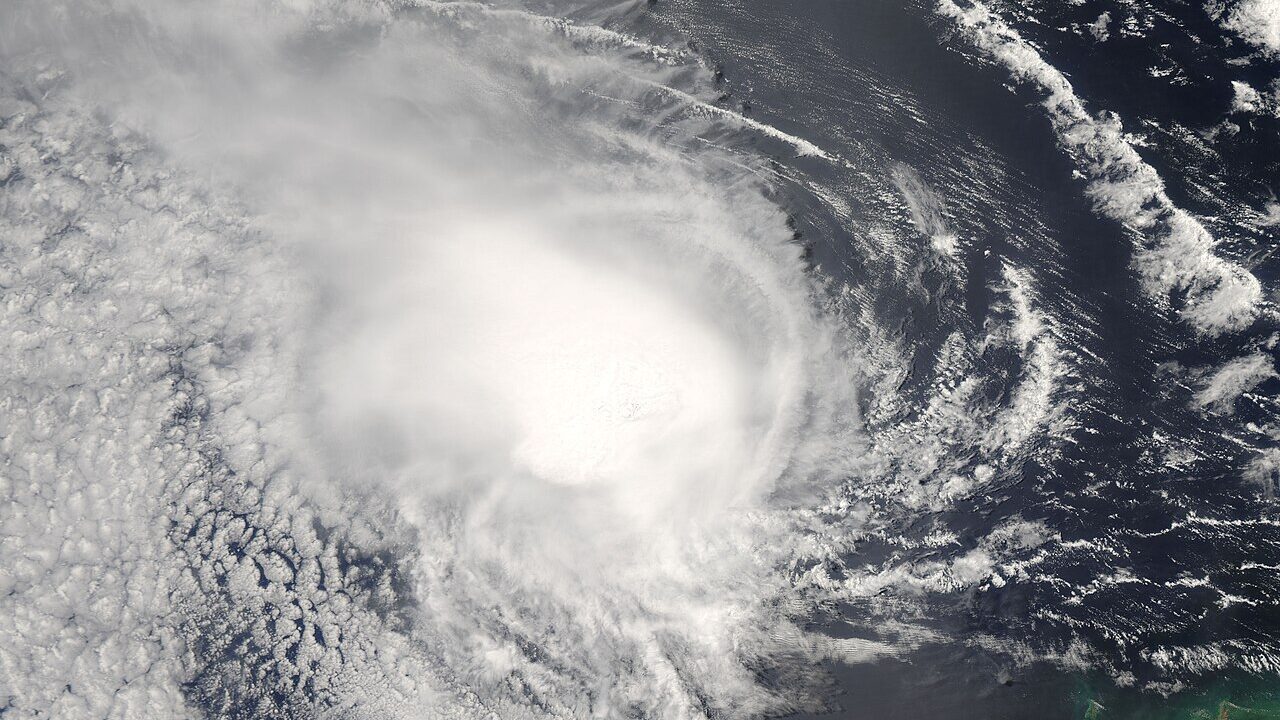
When a second cyclone follows the first within days, the danger shifts from wind to water, and from the coast to the hills. That is the warning embedded in Odisha preparations for Cyclone Murasu, which is expected to make landfall on the south Andhra Pradesh coast between Nellore and Narsapur late on Monday night or early on Tuesday, with winds of 100 to 110 kilometres per hour, gusting to 120. Odisha itself may not take the direct hit, but it will take the rain, on ground already saturated by Cyclone Arnab, and that rain is what triggers landslides.
Arnab toll in Odisha already shows how landslides kill. Three of the early victims belonged to the same family and died after a landslide triggered by falling rocks in Kandhamal district, according to the Revenue Minister. The toll later rose to six, with two bodies recovered from a landslide hit village in the south, while 10 people remained missing. Those deaths did not come from storm surge or from the cyclone eye. They came from hillsides that gave way after days of rain, a pattern that Murasu rain, expected to intensify on November 3 and continue through November 4, could repeat.
That is why Odisha restarted evacuation in Ganjam, Gajapati and Kandhamal, particularly in landslide prone areas, even though the cyclone itself is heading for Andhra Pradesh. The state also ordered evacuation from low lying areas and hilly terrain, closed schools and colleges in some southern districts until November 3, and warned fishermen against venturing into the sea until November 4. The India Meteorological Department expects heavy rain in Ganjam, Gajapati, Rayagada, Koraput and Malkangiri, the same districts Arnab hit hardest.
Recovery interrupted
The interruption matters because recovery from Arnab was measurable and nearly complete in power supply, if not in homes and crops. Electricity had been restored to 99.05 percent of affected consumers, 17,72,028 out of 17,88,942, with water tankers and medical teams deployed and cut off villages in Ganjam down from 70 to three. But 75,388 hectares of crop area were affected, 1,672 houses damaged, and 1.18 lakh people affected in Odisha. A second spell of heavy rain threatens roads and embankments already weakened, and the repair work on major routes such as Hinjili to Bhanjanagar and Sorada to Daringbadi.
Andhra Pradesh, which will take Murasu landfall, has prepared with the same lesson in mind: protect power and communications first. Officials there are installing diesel generators at mandal headquarters, securing power for 4,500 BSNL towers, restoring roads on a war footing and desilting canals to improve drainage. The second storm preparations show a system that no longer treats a cyclone as a single event, but as a sequence in which the second storm tests the repairs from the first.
The lesson of paired storms
Paired storms may become the normal planning case for the Bay of Bengal coast. If so, evacuation planning must account not only for the coast, but for inland hillsides after the first rain, and relief planning must assume that power, roads and shelters restored after one storm may need to survive another within a week. Odisha response to Murasu, early evacuation, school closures and a high alert in the south, suggests that lesson has been learned. Whether it saves lives this week will depend on rain, on hillsides, and on whether people in landslide prone areas moved in time.