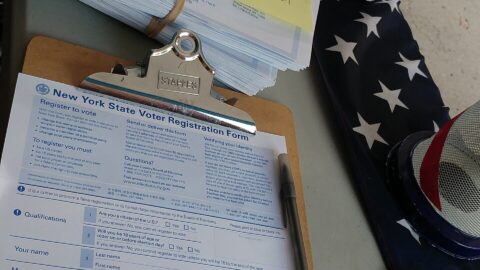
Election Day is not a federal holiday in the United States, and banks, financial markets and major retailers remain open on Tuesday, even as millions of Americans vote. That fact surprises many voters, because the importance of the election suggests a day off, but the law leaves the decision to states and employers. The result is a patchwork: some states treat the day as a holiday, some require employers to give paid time off to vote, some do both, and some do neither.
Five states treat Election Day as a public holiday and also require employers to provide paid time off for voting: Illinois, Hawaii, Maryland, New York and West Virginia. Nine more states observe it as a public holiday but do not require employers to offer paid leave: Delaware, Indiana, Kentucky, Louisiana, Michigan, Montana, New Jersey, Rhode Island and Virginia. In 17 further states, Election Day is a normal working day, but employers must still provide paid time off to vote, including Alaska, Arizona, California, Colorado, Iowa, Kansas, Minnesota, Missouri, Nebraska, Nevada, New Mexico, Oklahoma, South Dakota, Tennessee, Texas, Utah and Wyoming.
What the patchwork means for voters
For a voter in a state with paid time off, the barrier is lower: the voter can leave work, vote, and return without losing pay. For a voter in a state without that protection, voting may require negotiating time with an employer, voting before or after work, or voting early, which is one reason early voting has grown so large. The patchwork therefore affects who votes, not only how many vote, and it interacts with polling hours, which also vary by state, from early morning openings in Vermont to later starts elsewhere.
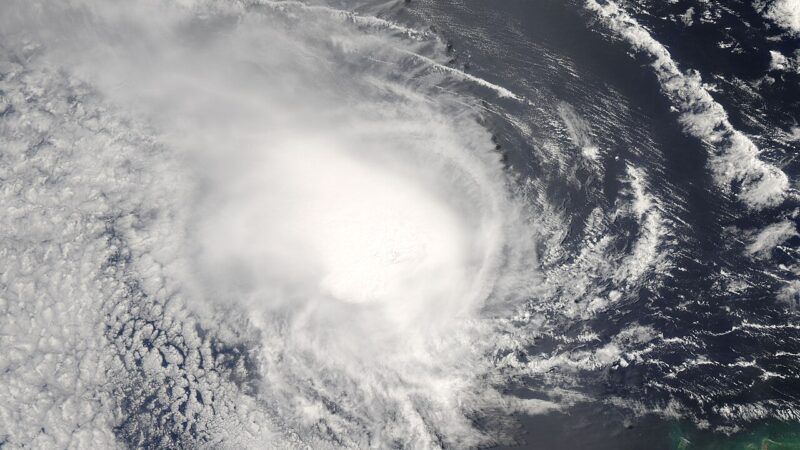
The Election Day holiday guide published on Tuesday sets out the state by state position and notes that forecasts point to rain and severe thunderstorms in parts of the southern United States, which could further complicate travel to polling stations. That combination, work plus weather, is the practical reality for many voters, and it explains why election officials publish polling hours, identification rules and alternative voting options well in advance.
Practical advice
Check whether your state requires paid time off, tell your employer in advance if you need it, and plan around your polling hours. If work makes Tuesday difficult, early voting has already closed in most states for this election, but the lesson for future elections is to vote early where the option exists. Access to the ballot should not depend on a postcode, but on Tuesday it still does, in hours, in leave, and in the distance to the polling place.