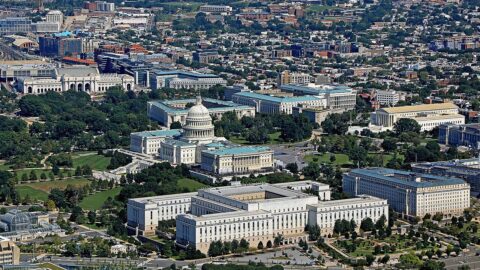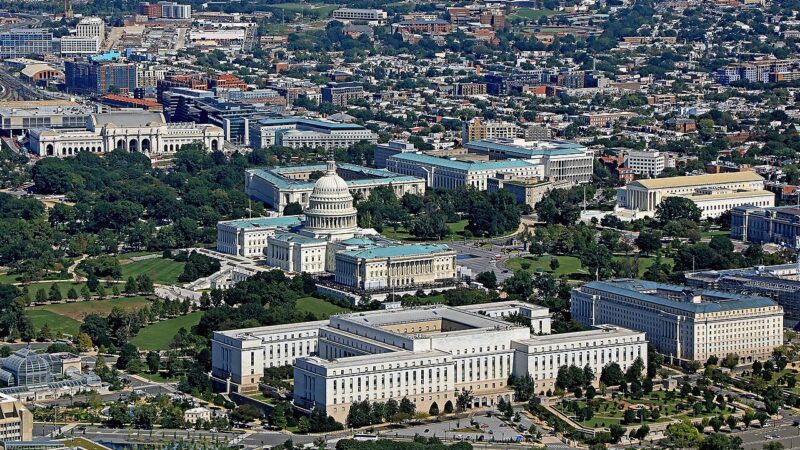
A federal judge barred construction of President Donald Trump’s proposed 250-foot arch for 14 days, shortly after a federal planning panel approved it. The court has yet to decide whether Congress authorized the project, and the two week pause gives the judge time to consider that question before any construction begins. The arch, which would rise in the capital as a monument to the president vision for Washington, has become one of the most contested building projects in the city, and the court order is the first legal check on a plan that had moved quickly through the planning process.
Why it matters
The sequence of events is what makes the case unusual. A federal planning panel approved the project, and within hours a judge halted it, which suggests that the legal questions are substantial enough to require a pause even after an administrative approval. The central question is whether Congress has authorised a structure of this scale on federal land in the capital, and whether the executive branch can proceed without that authorisation. That is a question about the separation of powers as much as it is about architecture, and it is the kind of question that courts take seriously even when the project has political support.
The arch itself has divided opinion from the start. Supporters describe it as a bold addition to the capital monumental landscape, a structure that would stand alongside the Washington Monument and the Lincoln Memorial as a symbol of national ambition. Critics describe it as a vanity project, an expensive and unnecessary intervention in a city whose monumental core is already complete, and they question both its cost and its purpose. The 14 day pause does not settle that argument, but it gives the argument a legal forum, which is where it will now be fought.
What happens next
The timing adds a political dimension that the court will try to ignore and that the public will not. The order came two days after a midterm election in which the president party lost both chambers of Congress, and it arrives as the administration faces a new reality: a Congress that can investigate, subpoena and block. A project that might have proceeded smoothly under a friendly Congress now faces a legislature that has every incentive to scrutinise it, and a court that has already shown it will not simply defer to the executive.
What happens next will be decided in the courtroom over the next two weeks. If the judge finds that Congress has not authorised the project, the pause could become a longer halt, and the administration would need to seek approval from a Congress controlled by the opposition. If the judge finds the authorisation sufficient, construction could resume, and the arch would proceed as a test of whether a president can reshape the capital monumental landscape in the final years of his term. Either way, the arch has become a symbol of a larger question: how much a president can build, and who gets to decide.