The Strait of Hormuz is back at the centre of the Iran crisis, not because of a ship movement but because of a report Iran says is false. Tehran has rejected claims that it offered to reopen the strait in exchange for lifting the American naval blockade, calling the story a lie and a fabrication.
The IRGC affiliated Tasnim news agency reported that Iran had made no new proposal to Pakistani mediators, and that reports of a Hormuz for blockade deal, attributed to a Saudi Arabian outlet, were untrue. The denial matters because the strait carries a large share of the world’s seaborne oil, and any suggestion of a bargain over it moves markets and militaries alike.
What Trump claimed about the strait
President Donald Trump, speaking on Saturday, argued that oil shipments through Hormuz had increased compared with before the war began, without providing figures during his remarks. He also praised American forces, claiming Iranian jets had been knocked out and 259 ships sunk, figures presented without supporting detail.
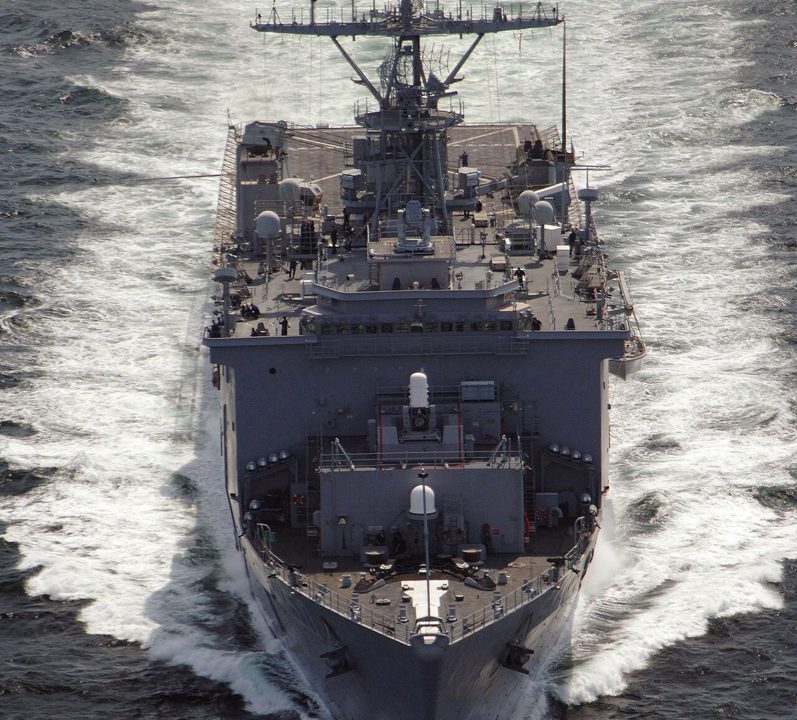
The blockade itself is part of a wider conflict described as a United States and Israeli war on Iran that began in February, now under a ceasefire with a peace deal still to be finalised. In that context, a reported offer to trade strait access for blockade relief would have been a major diplomatic opening, which is precisely why Tehran’s swift denial carries weight: it closes a door that had only just appeared to open.
Why the denial matters
As the Republic World reported, Trump also left open both a fresh strike and a big, beautiful agreement, saying Iran wanted a deal but questioning whether Tehran would hold one. Until a real proposal exists, the strait remains what it has been throughout this crisis: a chokepoint whose status is negotiated in public statements, denied in others, and watched by every navy and oil trader in the region.
The lesson of this weekend is that rumours about Hormuz travel faster than ships through it. A single unconfirmed report can suggest a breakthrough, and a single denial can erase it. The real negotiations, if they are happening, are not being conducted in headlines, and the strait will stay tense until they produce something both sides are willing to sign.