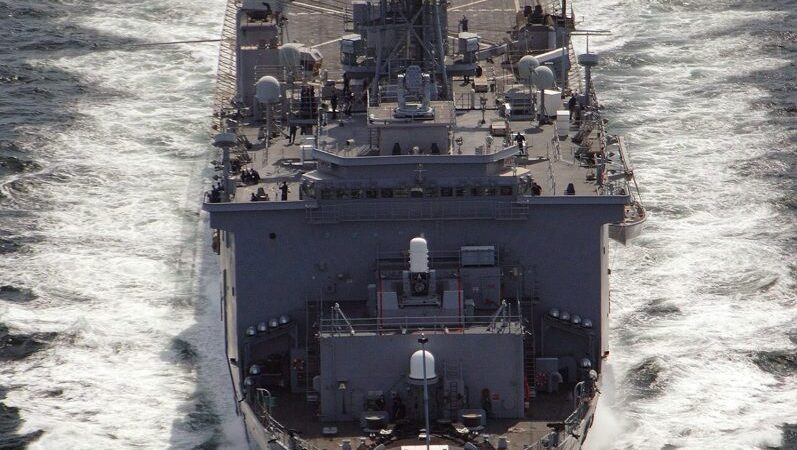
The Iran decision facing President Donald Trump is not a single choice. It is two choices, and the reporting on it keeps them separate for a reason. The first choice is military: whether American forces should strike Iranian military facilities, nuclear sites or energy infrastructure. The second choice is political: when, if at all, such a strike should happen, and what it would cost in retaliation, regional stability and domestic politics. CNN reported on October 26 that American forces in the Middle East could begin major military operations within 96 hours of receiving presidential authorisation. That is a statement about readiness, not about intent. No final decision to launch additional attacks has been announced, and officials are still assessing the possibility of retaliation against American personnel and installations across the region.
The 96 hour figure, explained
The 96 hour figure is often misread as a countdown. It is not. It is a measure of how quickly forces could move once authorised, and it exists precisely so that a president does not have to choose between acting immediately and waiting months. Forces prepared, targets studied and logistics in place mean that the decision can be made on its merits, not on whether the military is ready. That readiness also has a diplomatic function: it signals to Tehran, to allies and to adversaries that the option is real, without committing the president to using it. The reporting that Israeli Prime Minister Benjamin Netanyahu has encouraged further military action, disputed in aspects by his office, adds another layer, because it raises the question of whose timetable is driving the discussion. A decision driven by an ally’s urgency is different from a decision driven by American intelligence about an imminent threat, and the public record does not yet settle which one this is.
What to watch in the next week
Three signals matter more than the daily speculation. First, any announcement about diplomatic personnel reductions in the region, which would suggest that planners are taking retaliation risk seriously. Second, any public statement from the president that moves beyond his earlier indication that he would not authorise new attacks before Election Day on November 3. Third, any change in the posture of Gulf allies, whose airspace, bases and oil infrastructure would bear the immediate consequences of a strike. The Iran decision reporting describes all three as unresolved, and that unresolved state is the story. A prepared military and an unmade decision is a normal posture for a superpower in a confrontation. It becomes news when the decision is made, or when the preparation itself changes the confrontation. Neither has happened yet, and that restraint, for now, is the most important fact in the story.