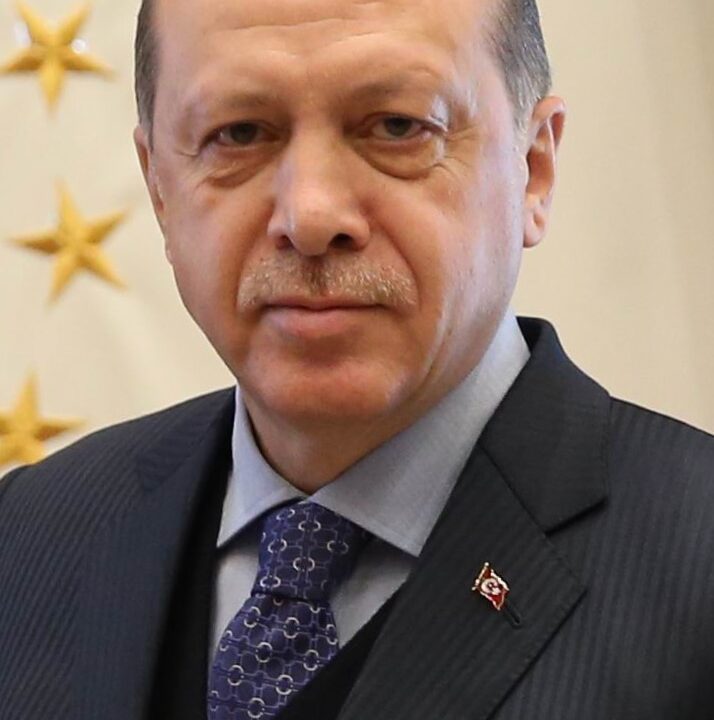
President Tayyip Erdogan has formally approved the Mecca Joint Defence Agreement with Pakistan and Saudi Arabia, the Official Gazette said on Friday, completing Turkey ratification after parliament approved the pact earlier this month. The three countries signed the joint defence agreement in Mecca in August, amid escalating concerns about the increasingly aggressive war against Iran by the United States and Israel.
Turkey parliament ratified the agreement on November 5, clearing the way for Ankara to send military support to Riyadh amid attacks by Yemen Iran backed Houthi militants against the kingdom. Under the agreement, an attack on one party counts as an attack on all, and the parties must provide assistance using the full range of mutual measures available to them. The pact binds the parties for ten years, after which they may withdraw.
A new security triangle takes shape
The agreement was approved in parliament by 279 votes to 119, with 398 of the chamber 592 lawmakers taking part in the vote, according to reports. It links Turkey, a member of NATO with the alliance second largest army, with Pakistan, the Islamic world only nuclear armed state, and Saudi Arabia, the Gulf leading power. The three nations are scheduled to hold meetings in Islamabad on Friday and Saturday, as the pact moves from paper to practice.
The pact contains sixteen articles, according to a document submitted to the Turkish parliament and seen by Reuters. Its first article commits the signatories to use all necessary means to eliminate threats to one another territorial integrity. The second article sets out the collective defence duty in plain terms, requiring immediate assistance if any party faces an armed attack or military aggression by another country or group of countries.
The pact was driven by the Houthi campaign against Saudi Arabia, which has included missile and drone attacks on the kingdom, including strikes on Riyadh airport. Turkish officials have said the alliance is entirely about defence, and not for attacking other countries. For Riyadh, the agreement adds a powerful new partner at a time when its air defences are being tested almost weekly.
Gulf tensions give the pact its urgency
The signing comes as Gulf capitals weigh an Iran decision that has not yet been made, with allies briefed to prepare for a short and intense campaign even as diplomacy continues. Shipping through the Strait of Hormuz remains exposed, and four tankers were reported hit by mines in the strait in recent weeks. The Mecca pact is one answer to that insecurity, and its first test may come sooner than its signatories would like.