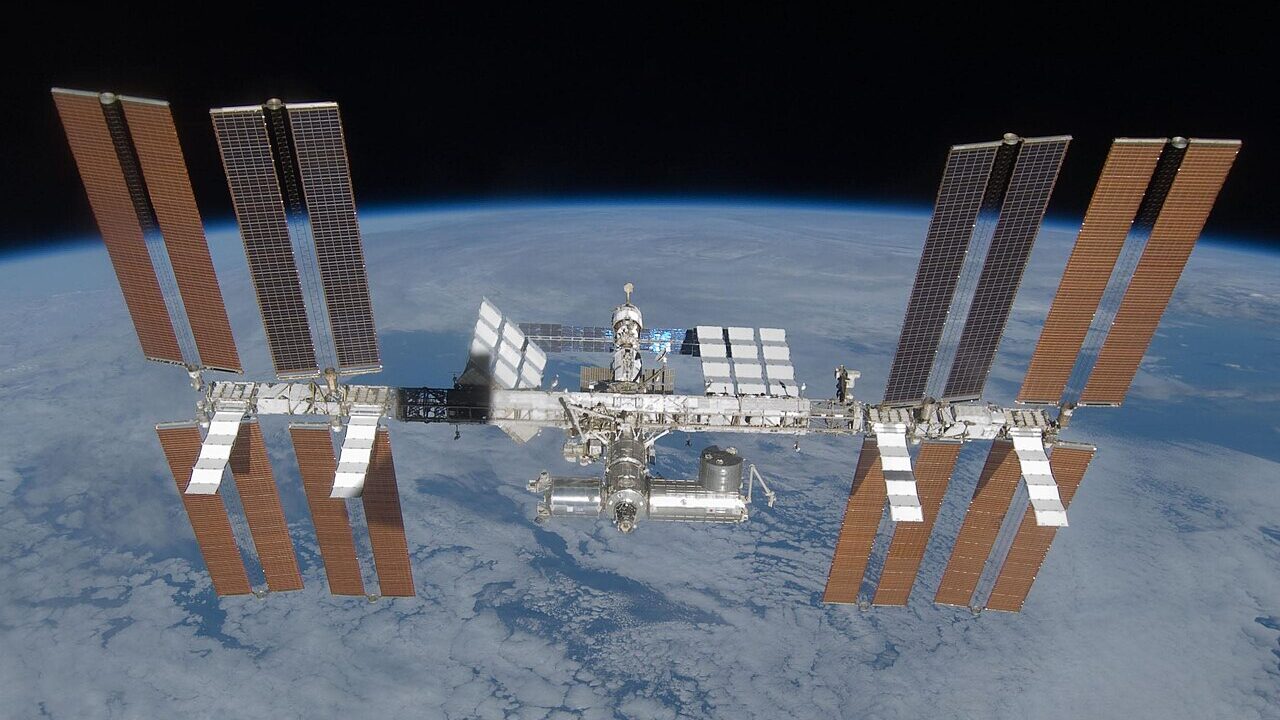
Northrop Grumman’s Cygnus XL cargo spacecraft has departed the International Space Station after a six-month stay, and its fiery final act — a controlled destructive re-entry — is set for today.
The uncrewed freighter, named the S.S. Steven R. Nagel, was released by the station’s Canadarm2 robotic arm on Friday, October 9, according to reports. Flight controllers on the ground commanded the arm to detach the vehicle from the Unity module’s Earth-facing port, with NASA astronaut Luke Delaney monitoring the operation from aboard the orbiting laboratory.
The spacecraft’s mission began in April, when it launched aboard a SpaceX Falcon 9 rocket carrying more than 11,000 pounds of supplies, science experiments and other cargo as part of the Commercial Resupply Services-24 mission. Unlike some visiting vehicles, the Cygnus XL cannot dock or depart independently — the robotic arm grapples and manoeuvres it for both arrival and release.
Loaded now with thousands of pounds of disposal items and unneeded cargo, the spacecraft will spend a short free-flight away from the station before being commanded to deorbit. The resulting re-entry is destructive by design: the vehicle will burn up harmlessly in Earth’s atmosphere, taking the station’s accumulated waste with it.
NASA has said it will not provide live coverage of the deorbit, so the end of the CRS-24 mission will pass quietly over the planet’s skies. For the station’s crew, the departure clears the way for the next resupply visitor — and for another cycle of science, supplies and the rhythm of life in orbit.