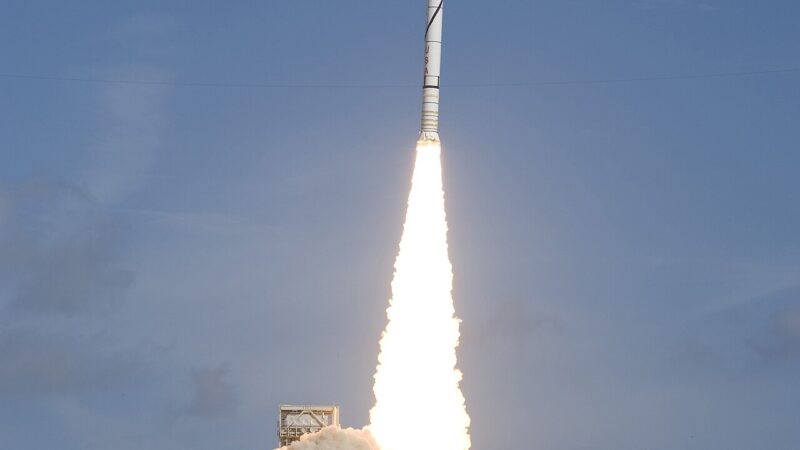
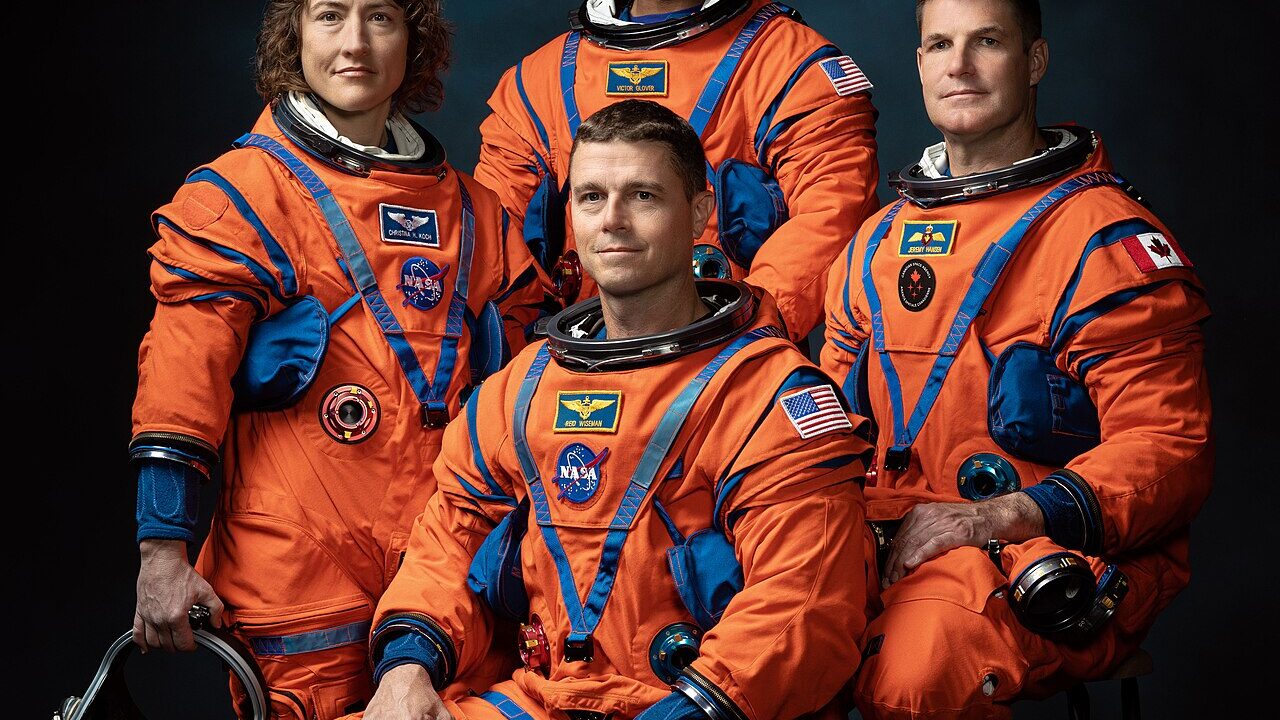
NASA’s official broadcast followed the Artemis II crew from walkout to orbit: the card-game tradition, hatch close, the go-for-launch call and main-engine cutoff, according to the broadcast. Four astronauts — three from NASA and one from the Canadian Space Agency — rode the most powerful rocket the agency has flown with a crew, testing the systems future lunar landings will depend on.
Video: NASA (official channel). Embedded via YouTube; Forever News Media does not host or copy this footage.
The broadcast’s pleasures are procedural. The card game — a tradition in which the crew plays until the commander loses, burning off bad luck before flight — the walkout in flight suits, the elevator ride up the tower, the hatch sealed by a crew that will not reopen it for ten days: NASA’s television treats these rituals as the liturgy they have become, the same grammar Apollo’s audiences learned by heart two generations ago. Between the rituals sit the calls that carry the engineering: the go-for-launch poll, each flight controller answering in turn, and main-engine cutoff, the moment the vehicle stops being a rocket and becomes a spacecraft.
A crewed machine, proven in public
That openness is itself part of the test design. Artemis II exists to take the measure of a vehicle before landing missions stake everything on it, and NASA has chosen to take that measurement in front of the largest audience it can assemble. What the broadcast cannot show — cabin systems cycling, the crew adapting, Orion’s performance against its predictions — will fill the mission’s next ten days, and will decide what Artemis III is allowed to attempt.
Related reading: