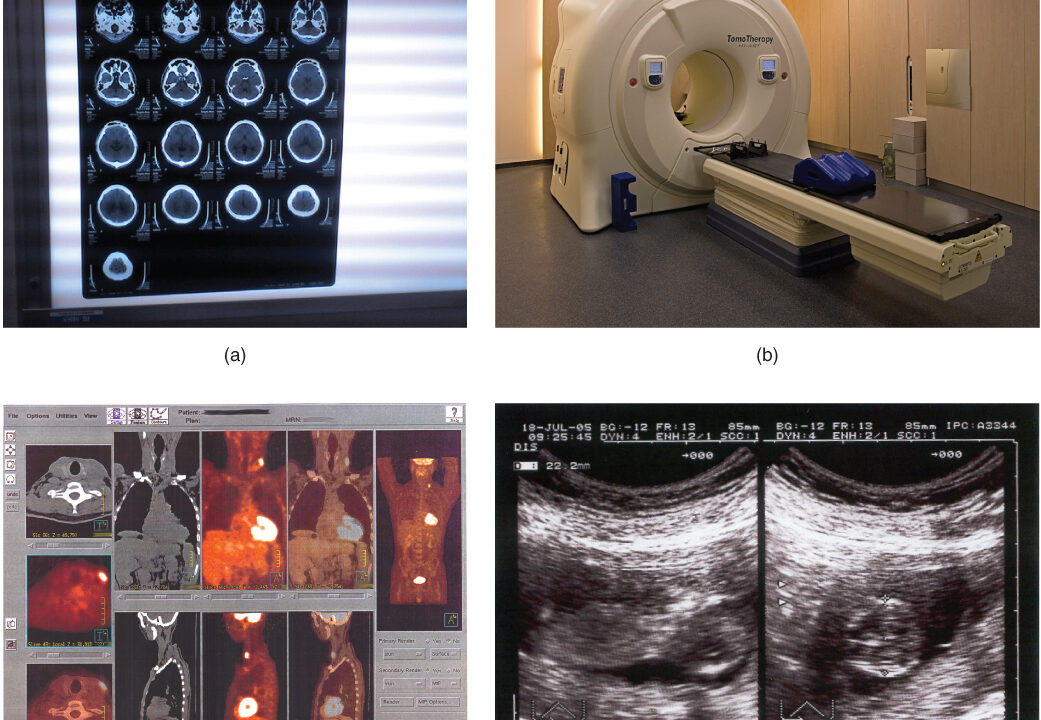
Imaging a beating heart sharply is a physics problem: the organ will not hold still. A mobile CT scanner now touring the American South solves it with speed — capturing 140 millimeters of the heart in a single heartbeat, according to the program’s technical description.
That coverage matters clinically. Staging coronary artery disease — measuring plaque burden precisely enough to assign a stage and tailor treatment — demands images of the full coronary tree without motion artifact. A single-beat acquisition delivers them without stitching, according to the organizers.
Putting that capability on wheels compounds the engineering interest. CT scanners are calibrated, vibration-sensitive installations; a research-grade unit that travels state to state and produces trial-quality data is an instrument as much as a vehicle.
The scanner serves a study testing whether stage-guided treatment prevents heart attacks. But its tour also generates a methods paper in motion: quality metrics across sites, operators and climates that will inform whether mobile advanced imaging scales, according to the announcement.
cardiology’s future may be less about bigger hospitals and more about instruments that go where the disease is. This summer, that future drove through four states.
The deeper wager is about where diagnosis happens. Coronary disease kills through events that arrive unannounced in exactly the communities this scanner is visiting — places where the nearest advanced cardiac imaging may be hours away and the first presentation of disease is too often the heart attack itself. A stage-based model only changes outcomes if the staging reaches people before the event, which is the logistical problem the truck is really solving: not image quality, but geography.
Whether payers and health systems adopt the model will depend on evidence the tour alone cannot produce: that stage-guided management in these populations actually prevents the attacks it predicts. The study the scanner serves is designed to answer precisely that, which makes this summer’s route map the first chapter of a much longer evidentiary story.
Related reading: