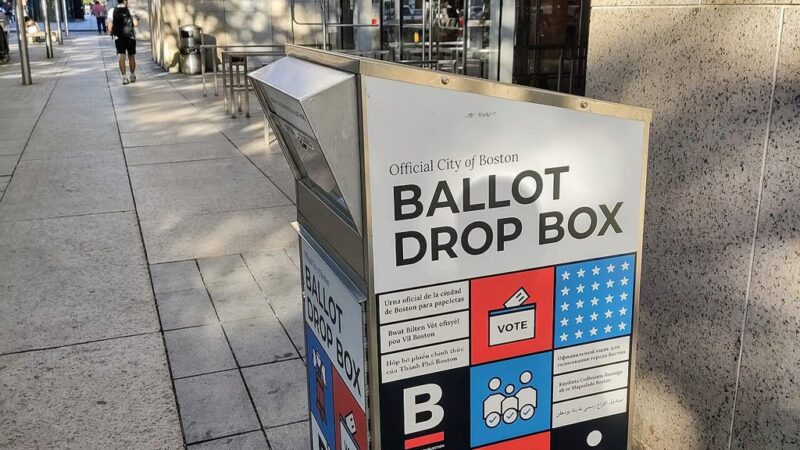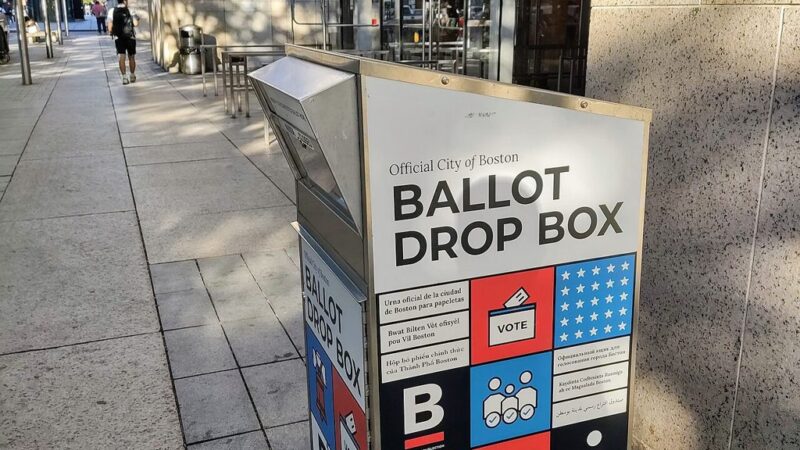

Early voting in Texas has already rewritten the state political story, whatever happens on Tuesday. More than 7.7 million Texans cast ballots in person or by mail before early voting ended on October 30, in a state where the Republican Party has not lost a statewide election in more than 30 years and has not elected a Democrat to the Senate since 1988. That turnout alone does not predict a winner, but it ends the argument that Texas voters are disengaged from this midterm. They have turned out in record numbers, and the Senate race is the reason most cited.
The race itself is close by every recent measure. The final New York Times and Siena survey puts Democrat James Talarico ahead of Republican Attorney General Ken Paxton by 50 percent to 43 percent among likely voters. A YouGov survey from October 26 to 29 found a narrower lead, 51 percent to 47 percent. The gap between pollsters reflects different samples and likely voter models, but the direction is consistent across them, and the consistency is what makes Texas a national story: a state long treated as safely Republican is now counted among the seven Senate races that will decide control of the chamber.
Paxton candidacy shapes the contest. As Attorney General, he is a well known figure in Texas Republican politics, and his campaign has argued that Texas voters will return to partisan patterns on Election Day, when Republican turnout traditionally rises. Talarico, a state representative, has run on cost of living and on the argument that Texas voters are ready for a change after decades of one party statewide rule. The Texas early voting surge suggests his message reached voters early, but early voters are not the whole electorate, and Election Day turnout in Texas has often favoured Republicans.
What Texas turnout proves
Texas early voting proves participation, not preference. In states that publish party registration, registered Democrats accounted for a larger share of early voters than Republicans nationally, but Texas early voting figures by themselves do not reveal how individuals voted, and analysts caution against reading a result from a turnout total. What the 7.7 million figure does prove is capacity: election offices processed a record early vote, campaigns mobilised at scale, and voters navigated the system in large numbers. That capacity matters for legitimacy whatever the result, because a high turnout result is harder to dismiss than a low turnout one.
Nationally, early voting passed 53 million by Sunday, against 45.9 million in all of 2022, with Georgia at 2.82 million, North Carolina at 2.82 million and Ohio near 1.5 million. Texas stands out not only for its total but for its history: a record in a Republican stronghold, in a race where the Democrat leads in final polls, is a combination that would have seemed implausible at the start of the cycle. Whether it marks a realignment or a single cycle surge depends on Tuesday, and on whether the voters who turned out early return in future elections.
Tuesday in Texas
Tuesday will answer the question the early vote cannot: did the record turnout include enough Election Day Republicans to hold the state, or did it include enough new and infrequent voters to change it. Democrats need a net gain of four Senate seats nationally, and Texas is one of five Republican held states where final polls show them ahead. A Texas win would transform the Senate map. A Texas loss, even a narrow one, would still leave the state closer than it has been in a generation. Either outcome starts with the 7.7 million who already voted, and ends with those who vote last.