The calendar now matters as much as the warning. The Wall Street Journal reported on October 27 that the United States had told several Gulf Arab countries to prepare for a short, intense military campaign against Iran after the November 3 midterm elections, and three senior Gulf officials told MS NOW on Friday that allies have been briefed to prepare for a short, intense round of strikes as soon as November 4, the day after the vote. The sequence is precise, the decision is not: President Donald Trump has not made a final decision on an attack, according to the Journal’s reporting, but is leaning towards a large post election attack on Iranian infrastructure and nuclear sites. Preparation and decision are different things, and the gap between them is where diplomacy, deterrence and danger all sit.
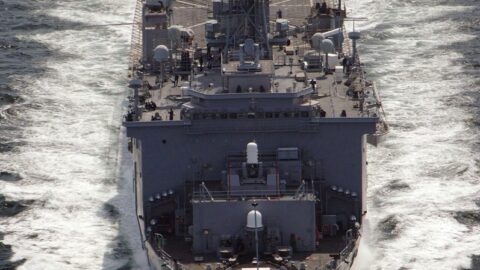
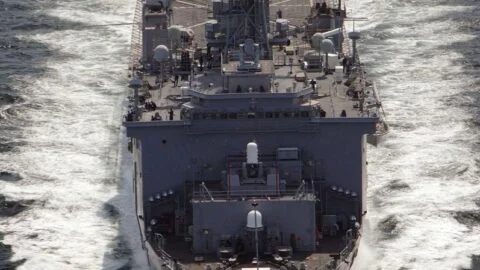
The reported preparations are extensive. The US military is moving a Patriot air defence battery from Texas to the Middle East, repositioning troops away from bases considered vulnerable to retaliation, replenishing ammunition, and preparing bombers and fighter jets. An additional aircraft carrier strike group and a Marine expeditionary unit could reinforce the regional fleet next month, though some ships could rotate out. Israel has also drawn up plans and identified targets for a possible new attack, according to the Journal, and Prime Minister Benjamin Netanyahu has repeatedly pressed for a resumption of strikes to weaken Iran’s capabilities. The State Department ordered non emergency staff to leave Saudi Arabia effective October 23, and embassies across the region ordered departures last week, moves that, together with the Gulf warnings, point to Washington bracing for escalation once the election is over.
The diplomatic window still open
Diplomacy has not stopped. The Journal reported on October 28 that Vice President JD Vance sent a letter to Mohsen Rezaei, secretary of Iran’s Supreme National Security Council, to revive peace talks, and a new Qatari mediated proposal gives diplomacy an immediate opportunity, with Iran expected to respond by the end of this week. Qatar’s foreign ministry has said proposals continue to be exchanged through mediators and has urged a resolution through negotiation. The alternative to an attack, in the reporting, is not passivity but a negotiated outcome that would require Iran to accept constraints the US and Israel consider sufficient, a bar that previous rounds of talks have not met.
The White House has declined to comment on sensitive military plans that may or may not exist, saying only that President Trump keeps all options on the table to ensure Iran can never obtain a nuclear weapon. That formulation preserves freedom of action while confirming nothing, and it is consistent with Trump’s own public hint at an October 23 rally in Florida, where he said the US might carry out another smaller operation or Iran would reach a deal. The US told Gulf countries to prepare for a brief but intense campaign after the midterms, according to the Journal, citing people briefed on the conversations, and every account of the warning traces to that reporting, with no official commenting on the record.
Why Gulf capitals are the audience
Gulf states are the audience for the warning because they would bear much of the retaliation risk, yet no reporting shows any of them agreeing to basing or overflight for a campaign, and some governments may resist US use of their bases, according to the Gulf officials cited by MS NOW. That resistance is itself a constraint on any operation: a short, intense campaign still needs bases, airspace, missile defence and political cover, and allies who were warned to prepare may not have agreed to participate. The warning is therefore best understood as both a military signal to Iran and a political test for allies, whose responses will shape what is actually possible after November 3.
For now, the reported plan remains a plan under consideration, not an order given. The distinction matters for markets, for civilians in the region and for voters, who are being asked to weigh a foreign policy decision that has been briefed to allies but not announced to the public. November 4 is a date in a briefing, not a deadline in an order, and the days between the election and any decision will show whether the briefings were preparation for war, pressure for a deal, or both at once.