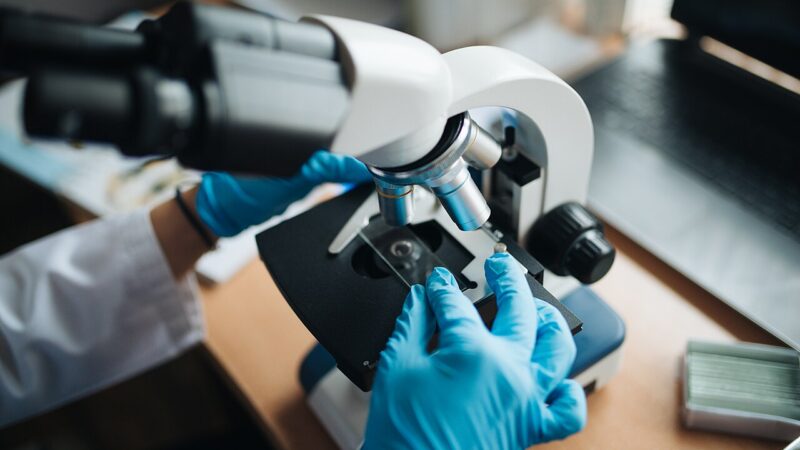
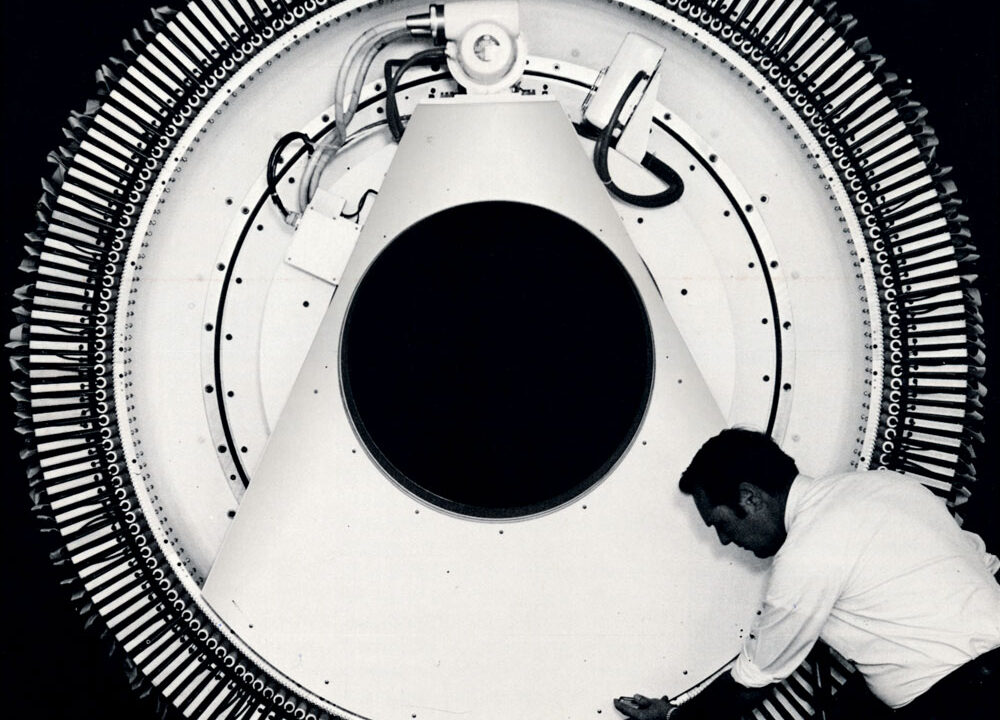
A cardiac-capable CT scanner has spent the summer on the road, touring Arizona, Louisiana, Georgia and Florida so patients in communities without advanced heart imaging can join a national trial, according to the program’s announcement.
The mobile unit captures the heart in a single heartbeat across 140 millimeters of coverage, producing images detailed enough to stage coronary artery disease and tailor treatment to that stage. It serves a trial testing whether treatment guided by disease staging prevents heart attacks, according to the organizers.
The premise addresses a stubborn inequity: advanced cardiac imaging clusters in metropolitan hospitals, while heart disease does not. Patients in rural and underserved communities are systematically less likely to enter trials, which means therapies are validated on populations unlike them.
Mobile imaging is not new — mammography vans pioneered the model — but a scanner of this capability on wheels, staffed to research standard, extends the idea into precision cardiology. Each stop enrolls patients where they live rather than asking them to travel to the science.
If staging-guided treatment proves out, the trial’s second legacy may be logistical: proof that sophisticated research can go to the patient, a template other fields are watching closely.
The scanner’s itinerary doubles as an epidemiological map of American cardiology’s blind spot. The four states on this summer’s route contain, between them, some of the nation’s highest rates of coronary disease and its thinnest coverage of advanced imaging — a mismatch between burden and infrastructure so routine that health systems budget around it rather than fixing it. Research-grade equipment arriving by road does not fix the mismatch, but it converts four states of anecdotes into data with which to argue about it.
The harder audience is the payers. Mobile precision imaging will live or die on whether staging-guided treatment, delivered in places like these, reduces the expensive events insurers currently pay for after the fact. The trial is designed to produce exactly that ledger — and if it balances, the truck becomes the least experimental part of the model.
Related reading: