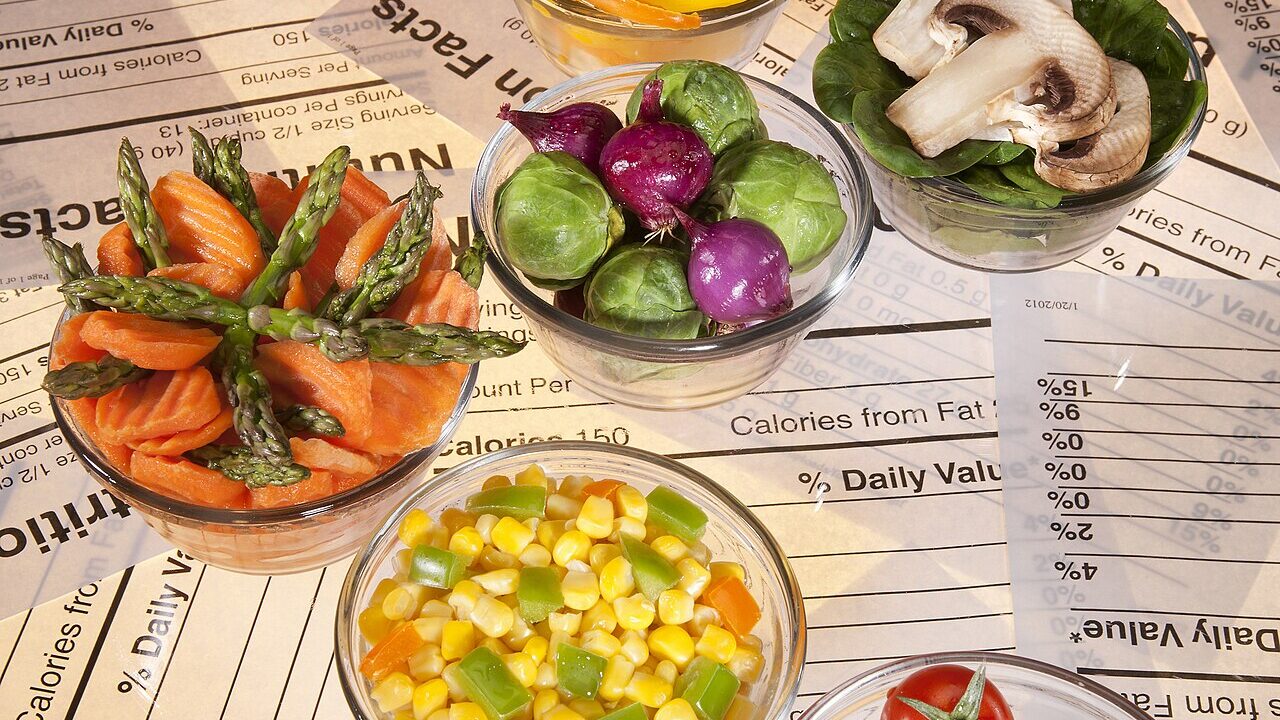
The largest mental-wellness trial in American history is enrolling: more than 6,000 volunteers will test 19 food-derived prebiotic formulas against placebo to see which improve feelings of anxiety, and in whom, according to the research announcement.
Backed by the federal Advanced Research Projects Agency for Health, the two-year GUT-FEELINGS study will randomize participants for 16 weeks and measure anxiety alongside stress, mood, sleep, quality of life and physical markers. Initial results are expected in the second half of 2027, according to the organizers.
The design is deliberately massive — over 24,000 fecal samples and 12,000 blood samples, wearable data and continuous glucose monitoring — because the gut-brain field has suffered from small, incomparable studies. This one is built to settle questions, not raise them.
Participants act as citizen scientists in a decentralized trial, contributing samples and data from home. That model widens who gets studied: not just patients near academic hospitals, but a diverse national cohort, according to the announcement.
Nutrition-based mental-health interventions have promised much and proven little. This study’s scale, randomization and placebo control give it a chance to finally distinguish the formulas that work from the far larger set that merely market well.
The study’s federal backing signals where the science establishment thinks mental-health treatment is short of options. With antidepressant response rates plateaued and therapy waitlists measured in months, a food-derived intervention that demonstrably moved anxiety — even modestly, even in a subset of patients — would arrive with an accessibility profile no drug can match: no prescription barrier, no discontinuation syndrome, nothing to patent-guard away from the people the trial recruited.
The citizen-science design carries a risk the organisers have priced in: decentralized trials trade laboratory control for population truth, and 6,000 people living their actual lives will generate messier data than any ward study. The field’s wager is that the mess is the point — that the last decade’s small, pristine studies failed precisely because the gut does not live in pristine conditions.
Related reading: