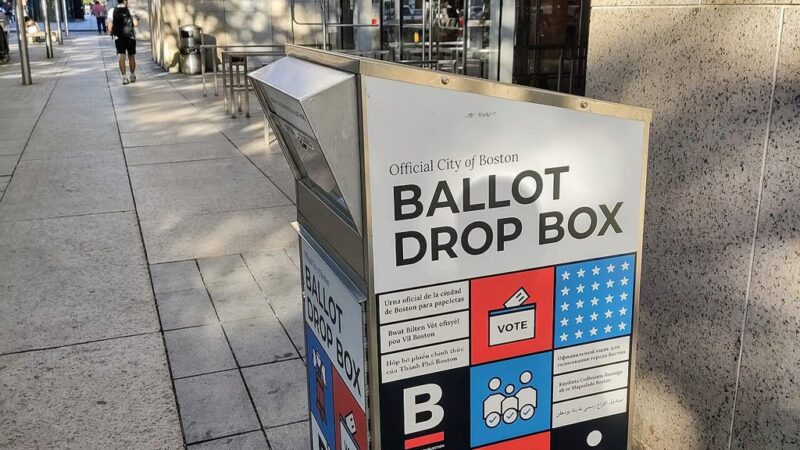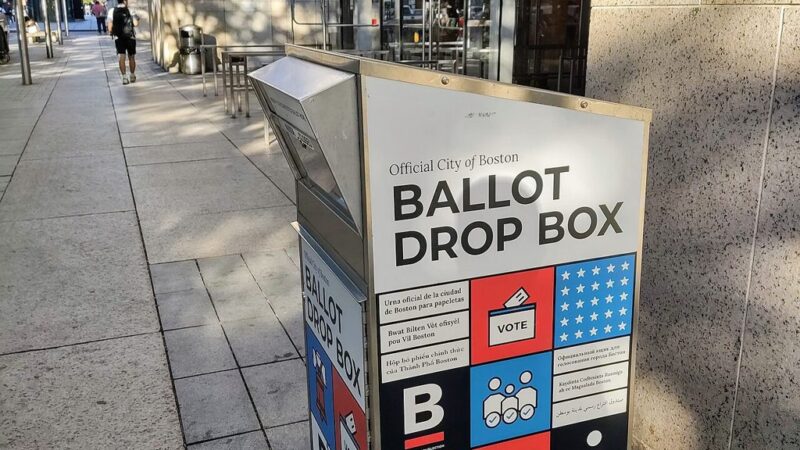

Voters decide all 435 seats in the House of Representatives on Tuesday, alongside 35 Senate seats and 36 governorships, a sweep that will determine which party controls Congress for the final two years of President Donald Trump’s term. The House contest is the broadest verdict in American politics: every district votes, every incumbent faces the voters, and the cumulative result, not any single race, decides control. A party that gains a House majority gains the power to set the legislative agenda, control committees and block or advance presidential priorities.
The governorships add a second layer of consequence. Governors control state budgets, veto state legislation, oversee election administration in many states, and shape policy on education, health and infrastructure. Thirty six governorships is a large share of the nation’s state executives, and the results will affect redistricting battles, state responses to federal policy, and the bench of future national candidates. Voters who focus only on Congress miss half the story of Tuesday.
Why the House moves differently from the Senate
House races are local in a way Senate races are not. A House member represents a single district, often drawn to favour one party, which means many House races are decided in primaries rather than in November, while a smaller number of competitive districts decide control. That structure makes national vote totals a poor guide to House control: a party can win more votes nationally and still lose the House if its votes are concentrated in safe districts. Analysts therefore watch the competitive districts, not the national popular vote, for the House result.
The midterm voting report on Tuesday stresses that results will be announced as ballots are counted, and that closely contested races and different counting procedures could delay final certification. That delay is normal in a House election with 435 separate contests, each with its own counting timetable. Media projections will indicate likely winners in many districts on election night, but official certification follows later, district by district.
What to watch beyond control
Watch the margin of control, not only which party wins. A narrow House majority is fragile, because a handful of defections can block legislation, while a comfortable majority gives the Speaker room to negotiate. Also watch governorships in states where the legislature and the governor may end up in different parties, creating divided government at state level. Tuesday is a national election made of 435 local House races, 35 Senate races and 36 governor races, and the full picture only emerges when all three layers are read together.