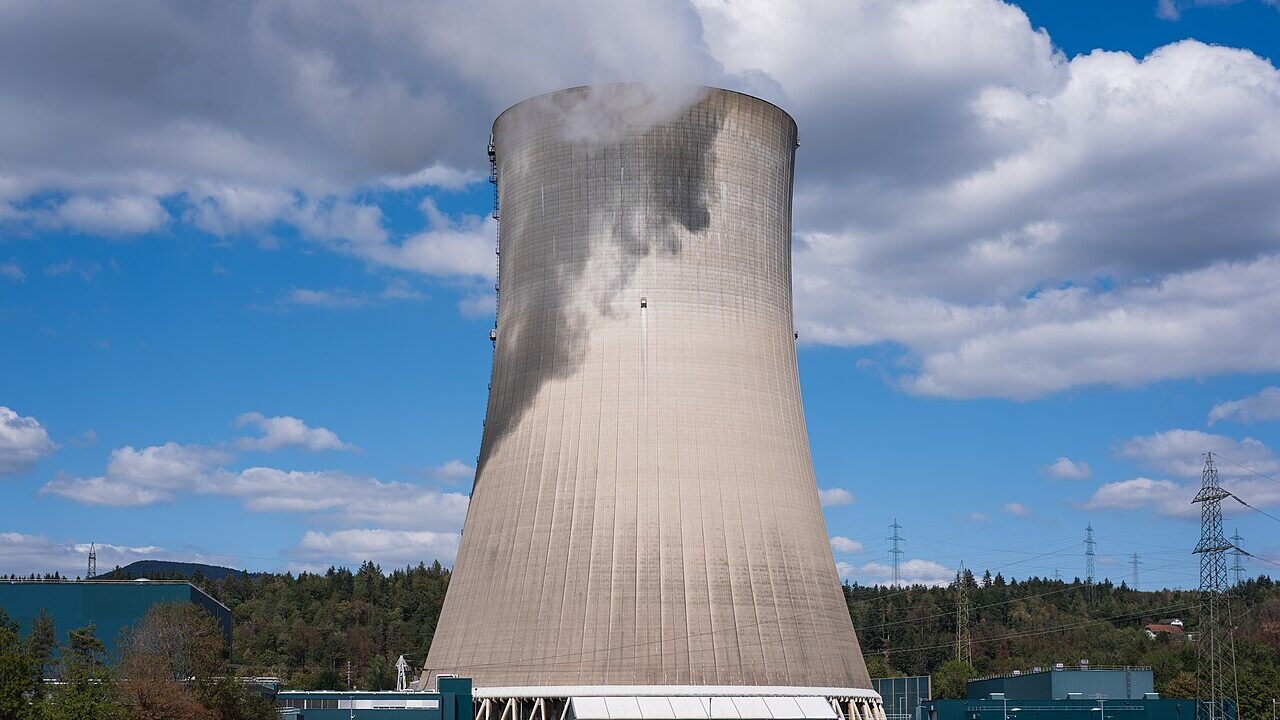
The United States and South Korea have outlined a framework agreement valued at about $120 billion to build eight large nuclear reactors in the United States, according to a description published by the Commerce Department. The plan covers six U.S.-designed pressurised water reactors and two of South Korea’s own reactor models.
Of the total, roughly $100 billion is assigned to construction costs, with a further $20 billion held as contingency reserves. The sites for the new units have not yet been specified, and individual projects are expected to be announced separately as locations, schedules and commercial terms are finalised.
The framework is tied to a wider goal of having ten large reactors under construction by 2030. According to the department’s description, the first units would be deployed on federal sites, beginning with two of the U.S.-designed reactors, combining American technology with South Korea’s supply chain and its record of delivering plants in the United States.
Both countries have agreed to cooperate on transferring a $10 billion advance payment by the end of the year, aimed mainly at purchasing long-lead items, in line with domestic legal requirements. The Canadian owner of a near-half stake in the U.S. reactor vendor also described the plan as a long-term strategic partnership for the global nuclear market.
Nuclear power’s return to the centre of energy planning reflects twin pressures: surging electricity demand from data centres and industry, and the search for firm, low-carbon generation that does not depend on the weather. Whether this framework becomes concrete, steel and steam will depend on the project-by-project announcements promised next.
Sceptics will note that framework agreements are announcements, not construction contracts, and that nuclear projects in the West have a long history of delay and cost growth. Supporters counter that standardised designs, an experienced partner supply chain and federal sites are precisely the ingredients meant to break that history. The first site selections will be the earliest test of which reading is right.